Google shares its data center cooling best practice - water and hot aisle containment "hot huts"

Google has an end user friendly explanation of its data center cooling.

Our emphasis on cooling systems might come as a surprise, until you consider how warm a personal computer can become during use. Data centers, which house thousands of computers, need to stay within a specific operating temperature range. Even though we run our facilities hotter than a typical data center, we need cooling systems - both to prevent server breakdowns and to provide a reasonable working environment for technicians working on the data center floor.

After servers, the second largest consumer of power in a data center is the cooling system. We needed a cooling system which minimized our overall energy consumption. For this reason, we designed our own cooling systems from the ground up. 

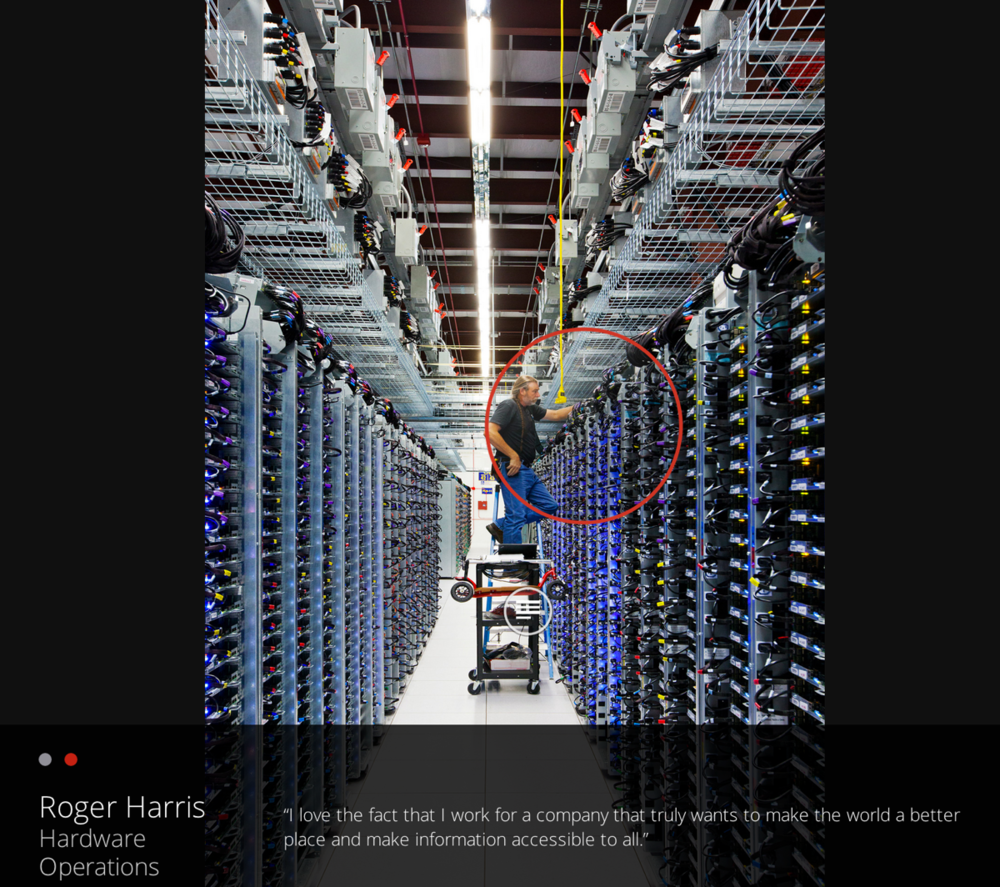
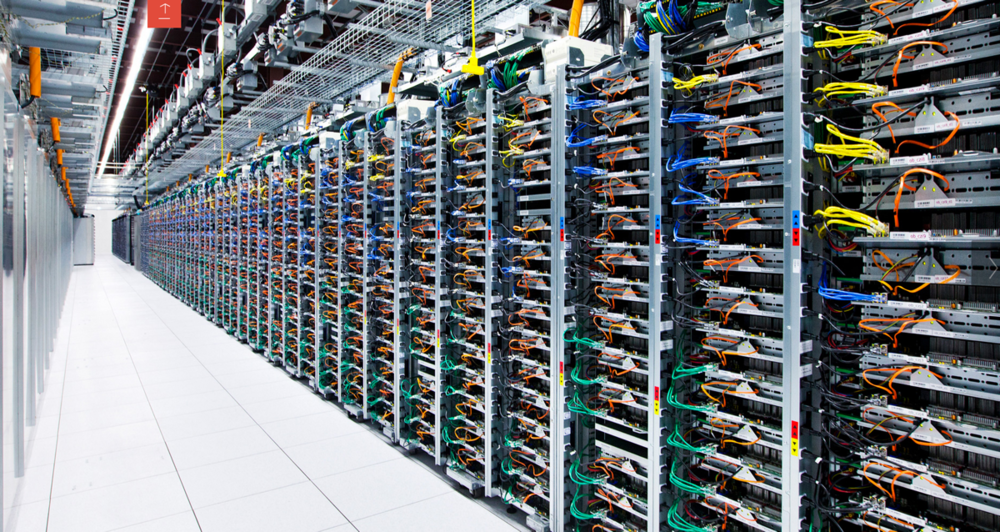
The interior of a hot hut row

Google uses hot aisle containment (hot huts) creating a higher delta T  across the water cooling coils at the top of the hot huts.

IBM has used water cooling in its supercomputers for years and even used the waste heat for heating homes.

SuperMUC combines its hot-water cooling capability, which removes heat 4,000 times more efficiently than air, with 18,000 energy-efficient Intel Xeon processors. In addition to helping with scientific discovery, the integration of hot-water cooling and IBM application-oriented, dynamic systems management software, allows energy to be captured and reused to heat the buildings during the Winter on the sprawling Leibniz Supercomputing Centre Campus, for savings of one million Euros ($1.25 million USD) per year.

Now for those of you who think Google should use its waste heat to heat homes, there is the problem that Google data centers are not close to residential or commercial businesses that can use the low grade heat.

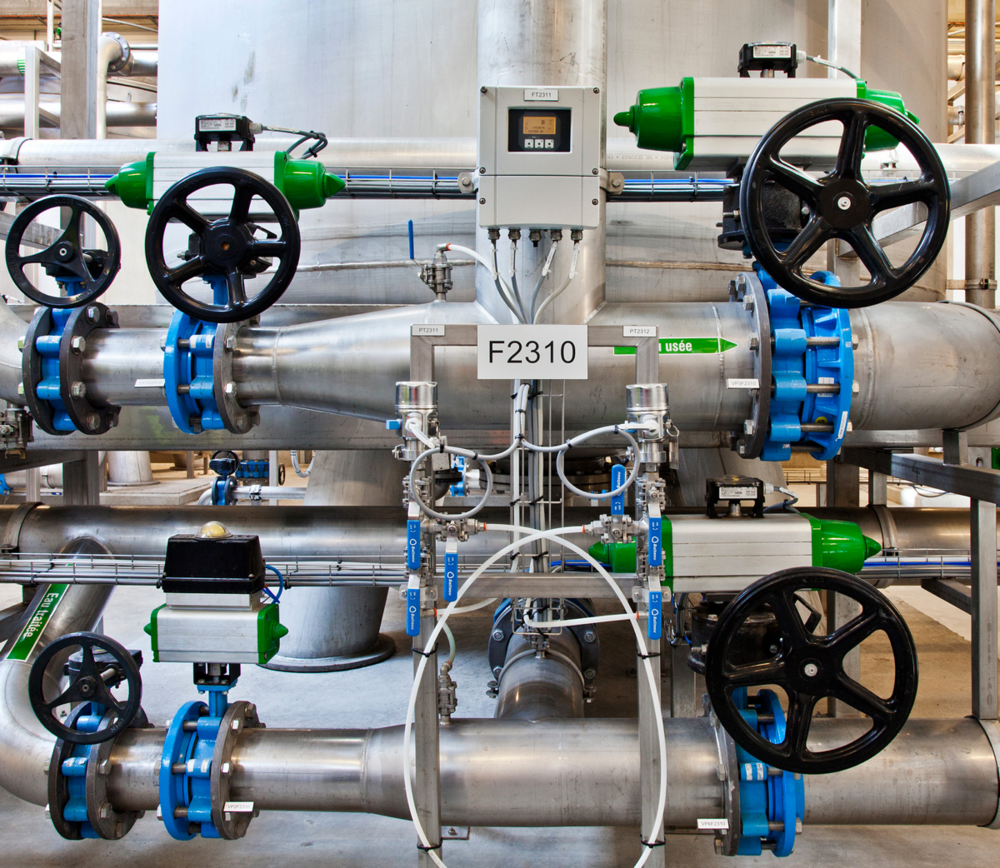
In some data centers there is a hard fast rule of keeping water out of the data center, but if you want to be the most efficient you need to break some rules.

Google's Data Center Videos, 1 week 2.2mil views vs. 2 1/2 yrs 1.3 mil views

Google made a lot of news with its data center photography and video.

One way to look at how well the videos is to looking at the traffic.  The latest video exceeded the first video in less than a week vs. 2 1/2 years of steady views.

The Latest Video.

Video statistics

Views and discovery

2,228,718

Views
 

Key discovery events

A

First referral from: Google

Oct 11, 2012 - 76,628 views

B

First embedded on: wired.com

Oct 16, 2012 - 53,618 views

The first Container Data Center video in 2009. 

Video statistics

Views and discovery

1,315,216

Views
 

Key discovery events

A

First embedded on: www.google.com

Apr 7, 2009 - 14,171 views

B

First embedded on: blogoscoped.com

Apr 7, 2009 - 15,559 views

Google's super secret PUE plan is leaked

OK, this is too easy to just keep on writing about Google's data center images.  I think the release of the photos is better than a conference event.  Well, not all, but many.

One funny post is the top 10 easter eggs.

10 Easter eggs from inside a Google data center

The one I missed is this picture of the Google super secret PUE plan.  The author doesn't get it that the sub 1.0 PUE would be a good goal, not a bad one.

Google's secret plan

When you’re a big tech company, it’s never a good idea to let your secret plans leak out. In this case however, they might just want to rethink the plan entirely.

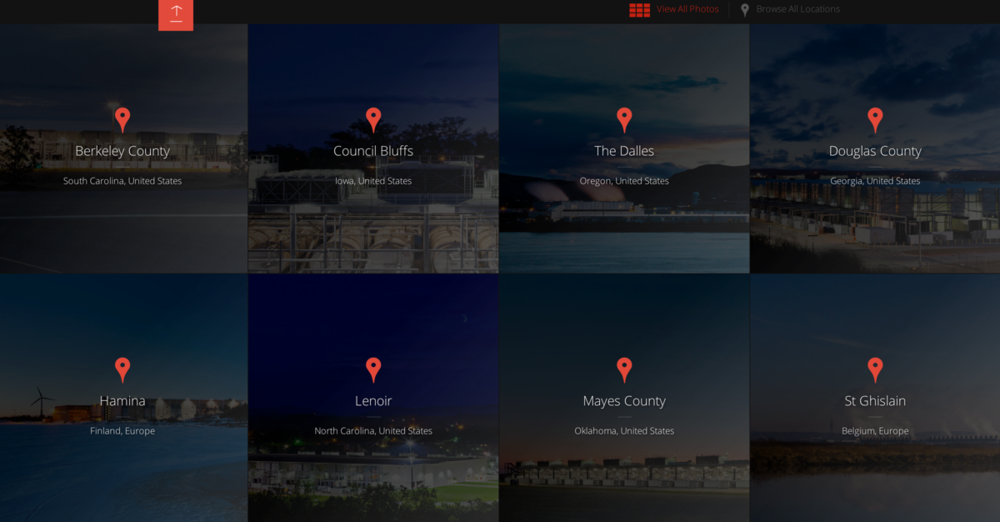
Photographs of 8 Google Data Center Locations - USA (6), Finland, Belgium

It's been a day since Google showed the inside of its data centers and in watching the media react I decided to spend a bit more time looking at what Google has done.  What I think almost everyone has missed is 8, yes eight data centers have photograph collections.

NewImage

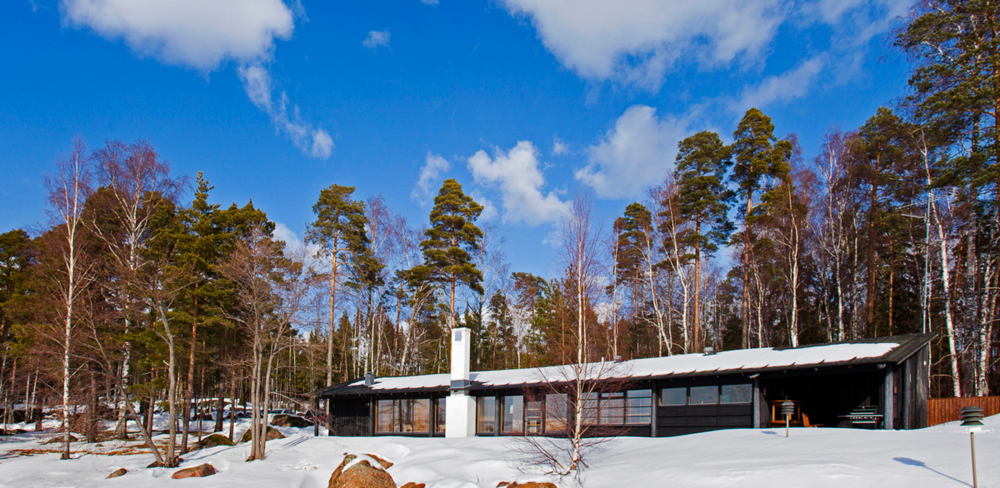
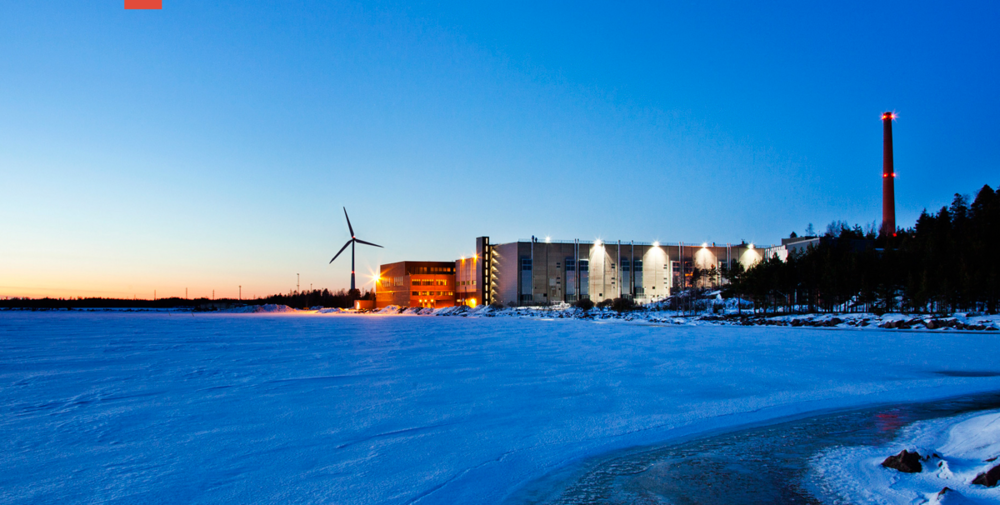
I had an e-mail conversation with the photographer and we both commented on how beautiful the Hamina area is.  How many data center locations have a water front view and a sauna?  Well it turns out many of Google's data centers have water front views, but not saunas.

NewImage

This building in Hamina, Finland, holds the best of both worlds – a conference room for work and a sauna for after work. Both are available to employees whenever they like.

NewImage

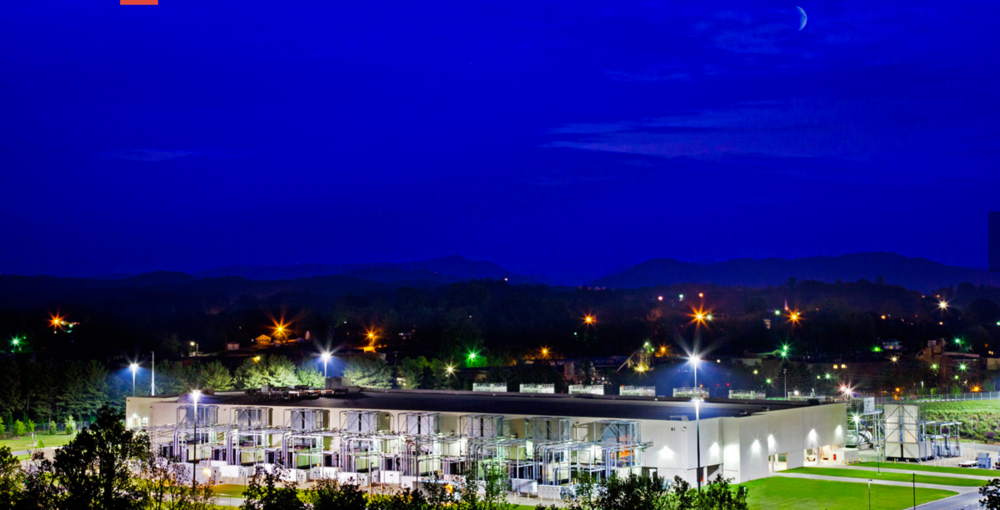
The Lenoir site looks quite nice in a night time view.

NewImage

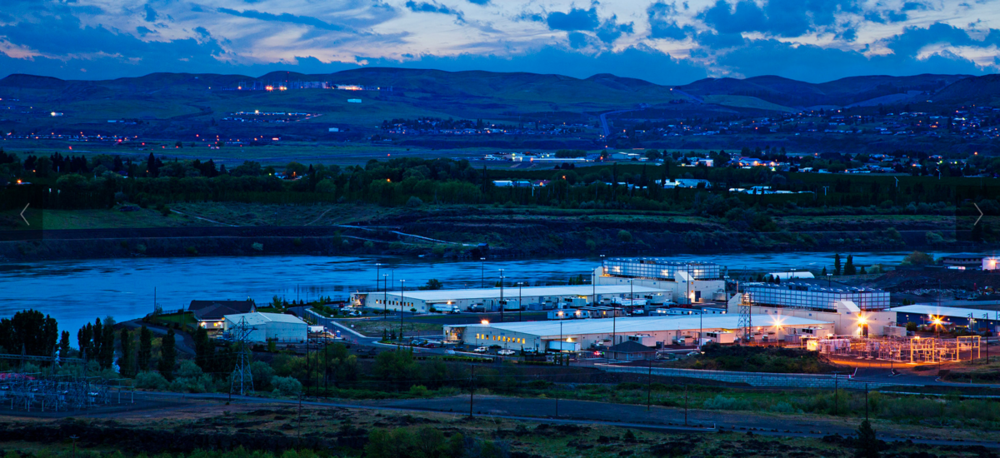
The Dalles has its waterfront view.

NewImage

Belgium has its own water treatment plant, so you could say they have their internal waterfront view.

NewImage

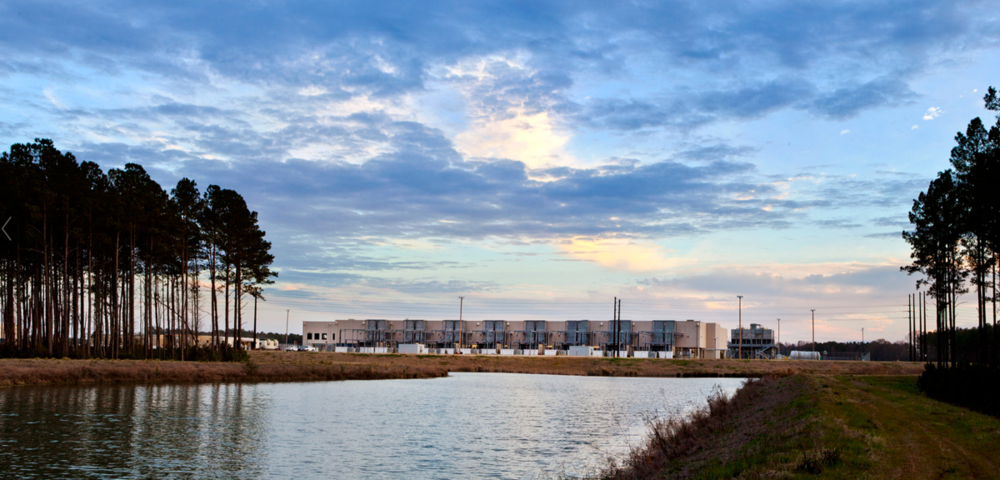
South Carolina has a rainwater retention pond that may get used in the future.

NewImage

A peaceful scene outside our data center in Berkeley County, South Carolina. We're currently experimenting with this rainwater retention pond as another source to cool our systems.

Iowa has huge water storage tanks on site.

NewImage

Water storage tanks make sure our data centers stay cool day or night.

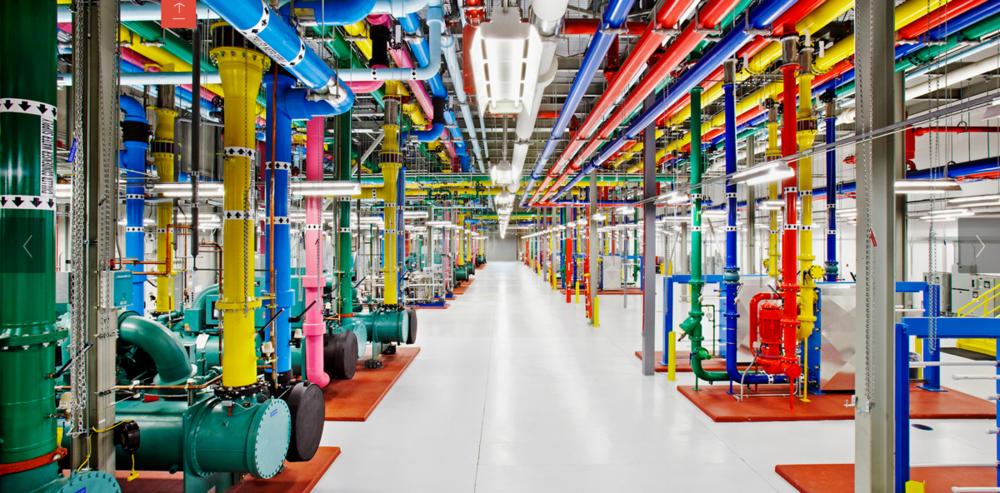
Georgia shows its color coded pipes which includes the chilled water system.

NewImage

Thousands of feet of pipe line the inside of our data centers. We paint them bright colors not only because it's fun, but also to designate which one is which. The bright pink pipe in this photo transfers water from the row of chillers (the green units on the left) to a outside cooling tower.

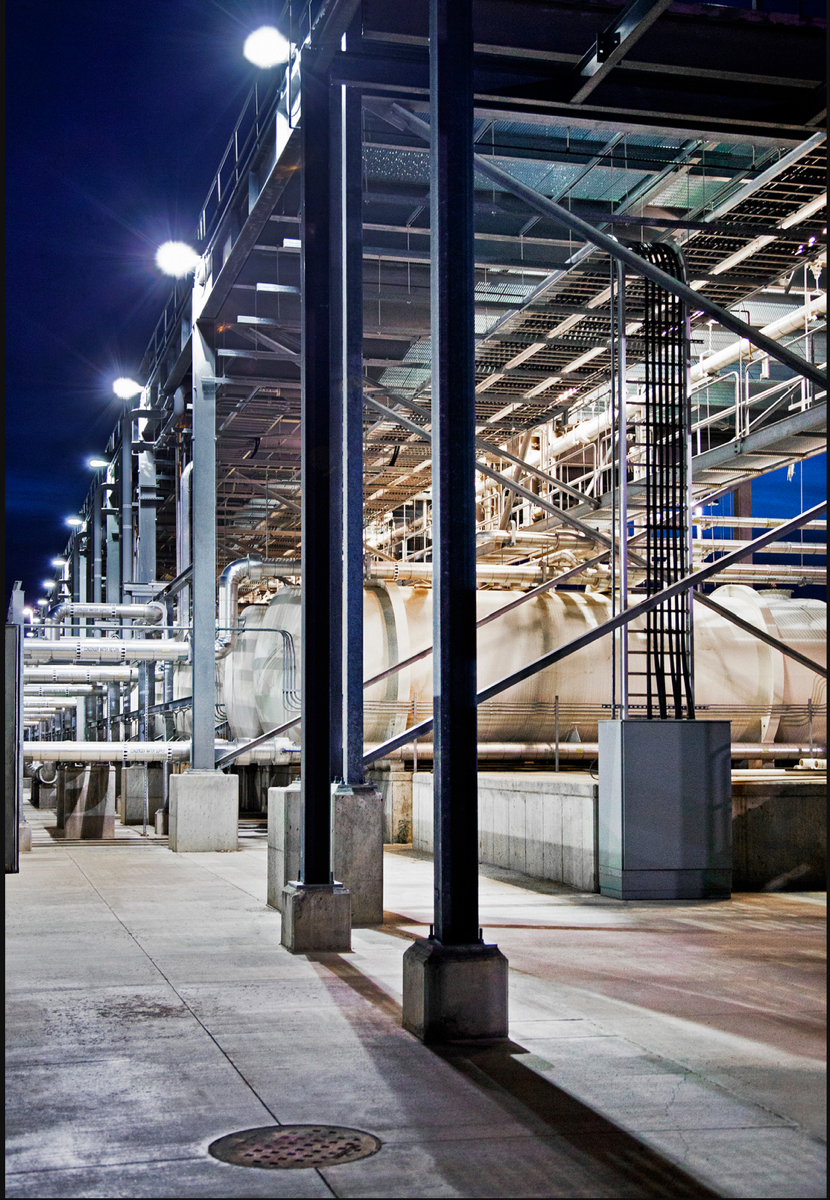
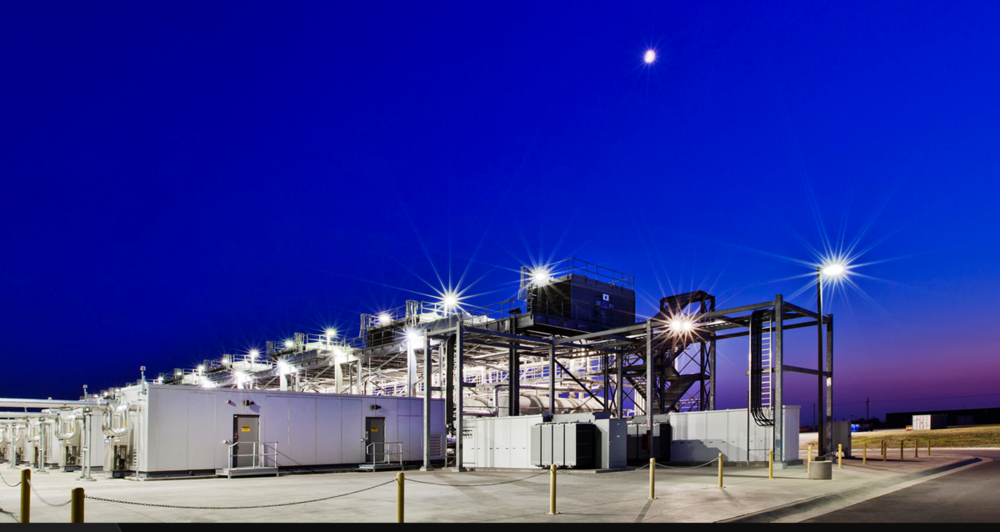
Oklahoma is one of Google's newest data centers.  The cooling systems are modular.  And, you could see modularity concepts used in the white space, but you don't see containers to put servers in.

NewImage

Bright lights and the moon light light up our Mayes County data center. These modular units provide cooling for a portion of the center.

NewImage

NewImage

Google Image Search - Google, Facebook, Apple, Microsoft, Amazon DC

With Google's release of an Insider's look of its data centers, I was curious what Google Image Search shows for Google, Facebook, Apple, Microsoft, Amazon.

The below are top 20 images from searching for "<company name> data center"

Some have made the point that Google's image publication was a PR move.  One thing that did work well from a PR move is most of the top 20 images are from what was published yesterday. You can make your own conclusions from looking at the images.  Note: the amazon pictures are many times not amazon facilities, but images that are embedded on a page where Amazon is mentioned. 

I included the links to image searches if you want to get to the original source of the images

Google

NewImage

Facebook

NewImage

Microsoft

NewImage

Apple

NewImage

Amazon

NewImage