Compass Data Centers 2018 Predictions

Chris Crosby has a post on his 2018 predictions. https://www.compassdatacenters.com/predictions-for-2018/ 

At first I was tempted to go through each one and add my own opinion. But I am writing this blog post sitting in Black Raven Brewery http://blackravenbrewing.com/
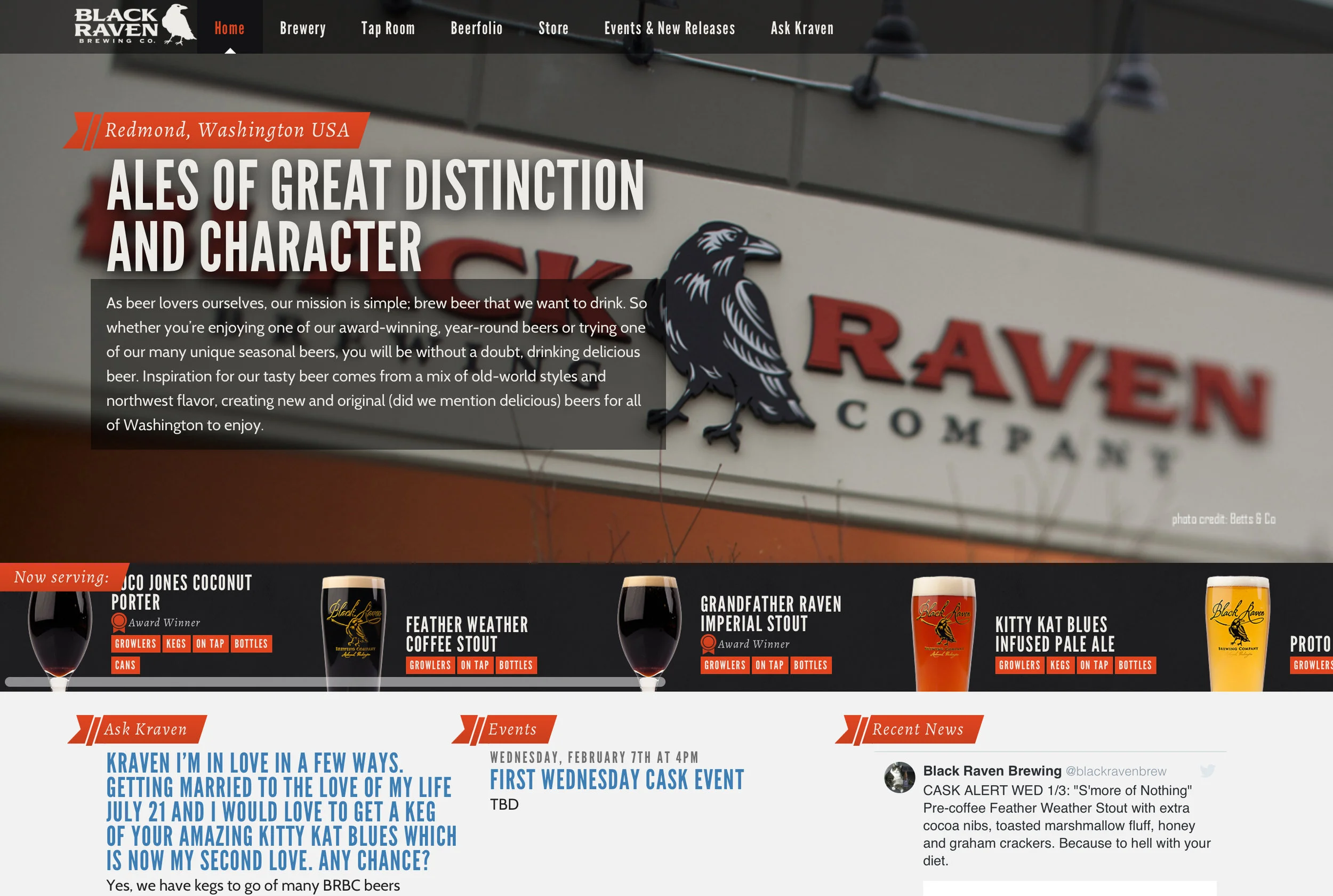
 

FullSizeRender.jpg

So after a beer thinking I should just write what comes to mind after a pint. 

What Chris is missing is the impact of AR. It will be huge and people are excited. What is funny is where I am drinking a pint is within walking distance to Facebook’s Oculus new facility which is a lot of ex-Microsoft people  https://www.geekwire.com/2018/facebook-microsofts-backyard-building-purchases-point-oculus-expansion/

“It is unclear what the sites will be used for, and Facebook and Oculus representatives did not return requests for comment. GeekWire reported recently that Oculus is looking for a couple hundred thousand square feet of research and development space in Redmond as well as a huge chunk of office space in the Seattle area.


Job listings also point to an Oculus expansion in Redmond.Facebook lists 123 open positions in Redmond, and almost all of them are for Oculus. Aposting for an Oculus facilities project managerincludes “work on multiple expansion and renovation projects in its Oculus facilities in Redmond. Projects are all on a fast track schedule to support the planned growth in the area.”

What I agree totally with on Chris’s prediction #6 is DCIM will create a new acronym as it tries to gain traction. There so many flaws in DCIM. And the top is they don’t get abstraction. There way too many failed DCIM implementations out there.

The big are growing so much faster than rest. Amazon is rumored to be testing their advertising efforts. Which is direct blow to google and facebook. 

Actually I agree with all of Chris’s points. 2018 is going to be interesting and confusing because as the last point made #10

10) Data center publications will continue to publish articles speculating on the future demise of enterprise data centers in relation to the cloud when there is nothing else to talk about. 
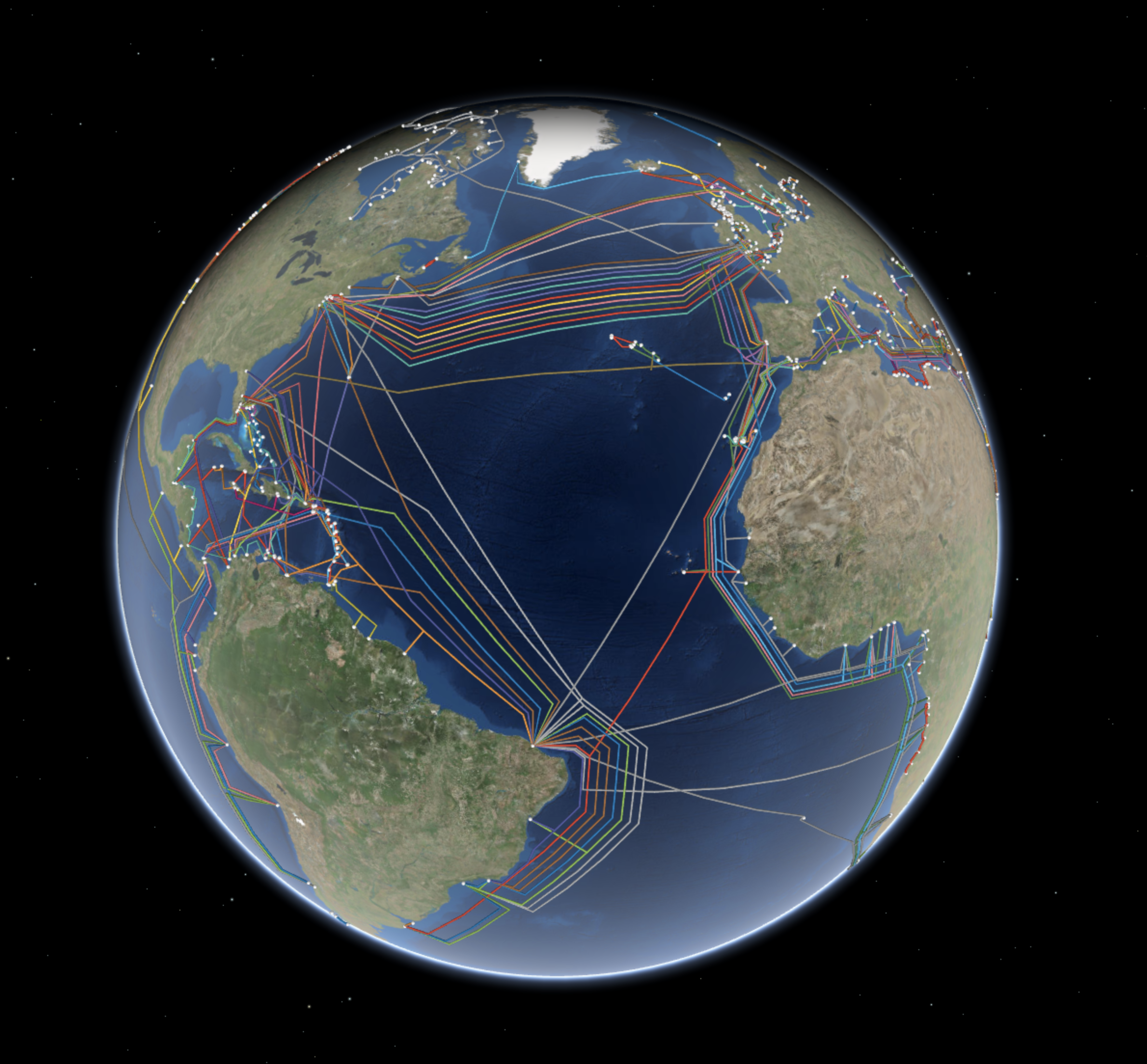
Interactive Submarine Cables Map by ESRI

We have all seen submarine cable maps. What is nice is ESRI has one that is a live map. The link is here.

esri.png

You can review the cables based on year, cables, or landing points.

Screen Shot 2018-01-04 at 13.44.18.png
Why We Love It

Deep on the ocean floor you will find communication cables made to carry signals from one land to another. The first undersea communications cables, laid in the 1850s, carried telegraphy. Now these cables carry our phone and Internet traffic. Yet, they remain relatively hidden in the depths of the ocean. We love how this map lets us explore global cable connections. We can see the cables all at once or focus on interdependencies by using the contents pane to filter by construction year, a specific cable, or a landing point.

Why It Works

When we view undersea cable data on a global scene view, we get a real sense of how these cables tie together the world’s populated places. This map uses spheres and tubes to symbolize the landing points and cables. This works to emphasize connectivity while remaining playful and easy to understand. When you filter information based on a single cable, landing point, or construction year, you can see interdependencies that are otherwise less obvious. This map does not rely on traditional pop-ups when you select a feature, but instead hides all unrelated features.

Abstraction is the hidden technique of great solutions, not code

My degree is Industrial Engineering. https://en.m.wikipedia.org/wiki/Industrial_engineering I found the discipline when I was a freshman in high school sitting in the school library reading about different engineering degrees. My dad was a civil engineer for CalTrans and I was good at Math, Science, and Business. My computer skills were OK, but not as good as my other skills. It is easy to drill into the concrete specifics of Industrial Engineering discipline and I did this in the beginning working on logistics and distribution engineering. Luckily when I left HP to go to Apple is when I got my taste of working on working on software systems and creating new solutions which then let me address my weakness in computer science. This background also supported my moving to Micosoft for years and yeras on Windows.

With the popularity of learning coding skills, many think the key to build Internet Services is code. But when you dig into looking at where the great insights come from it is people who have top abstraction skills. 

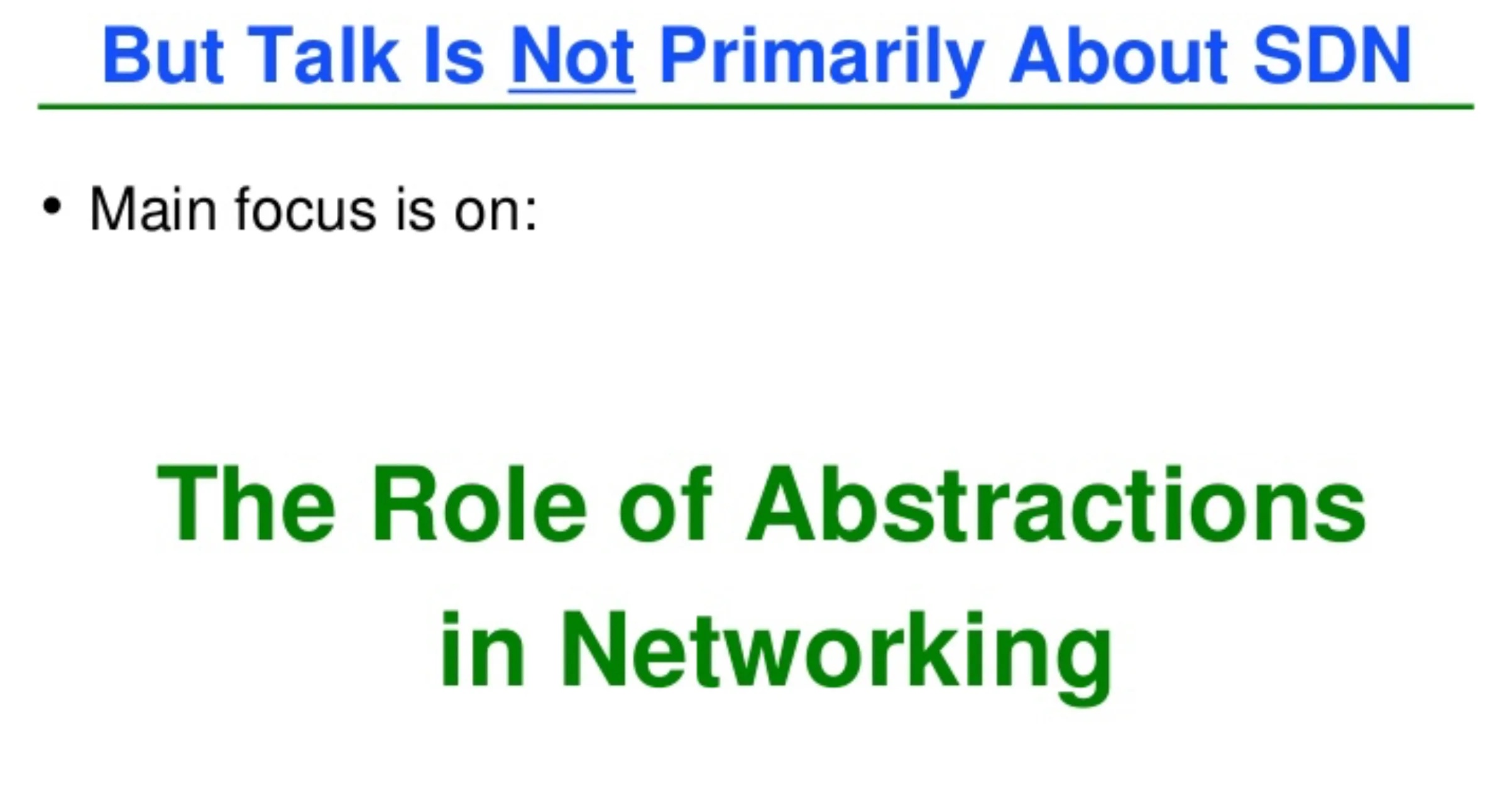
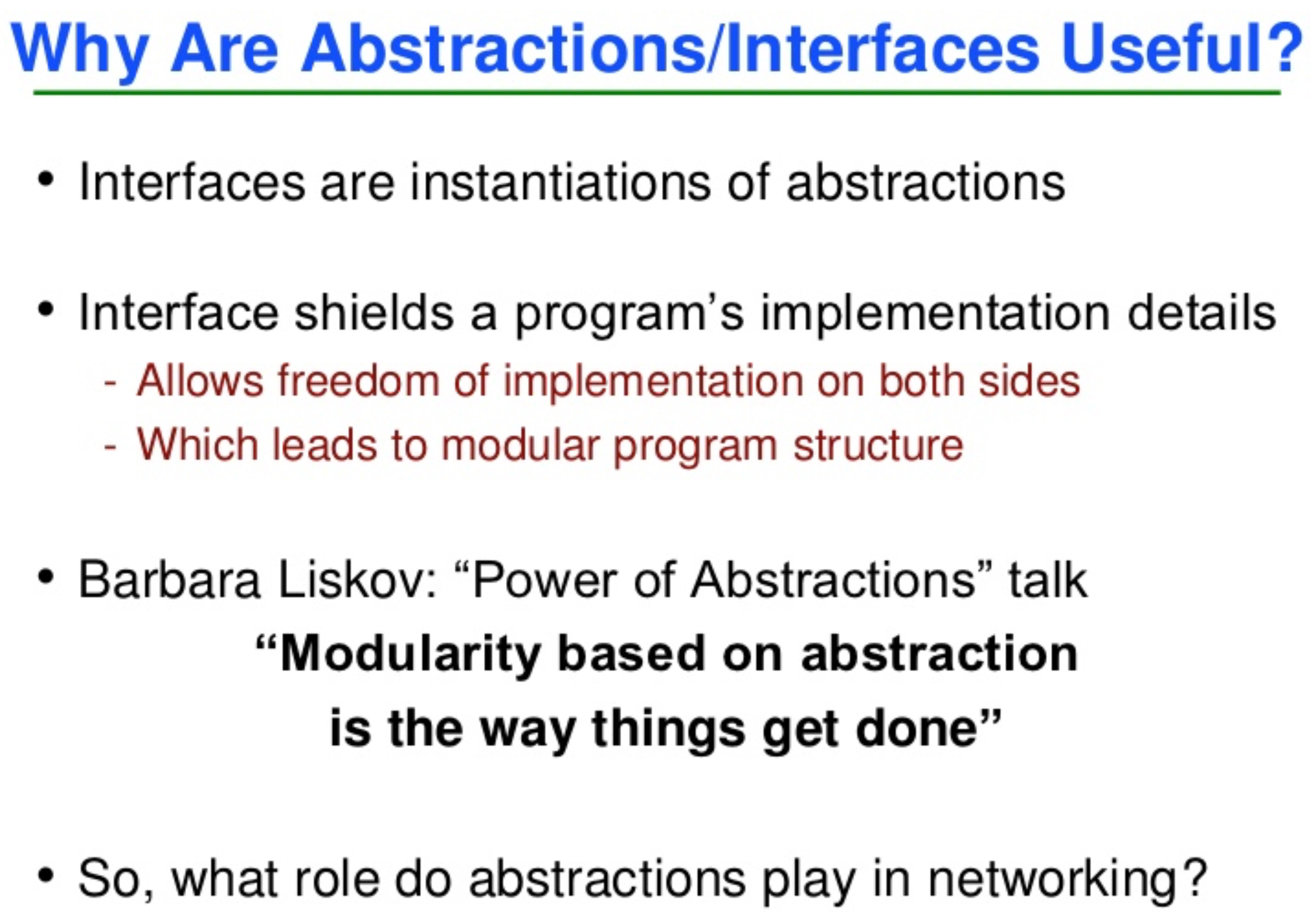
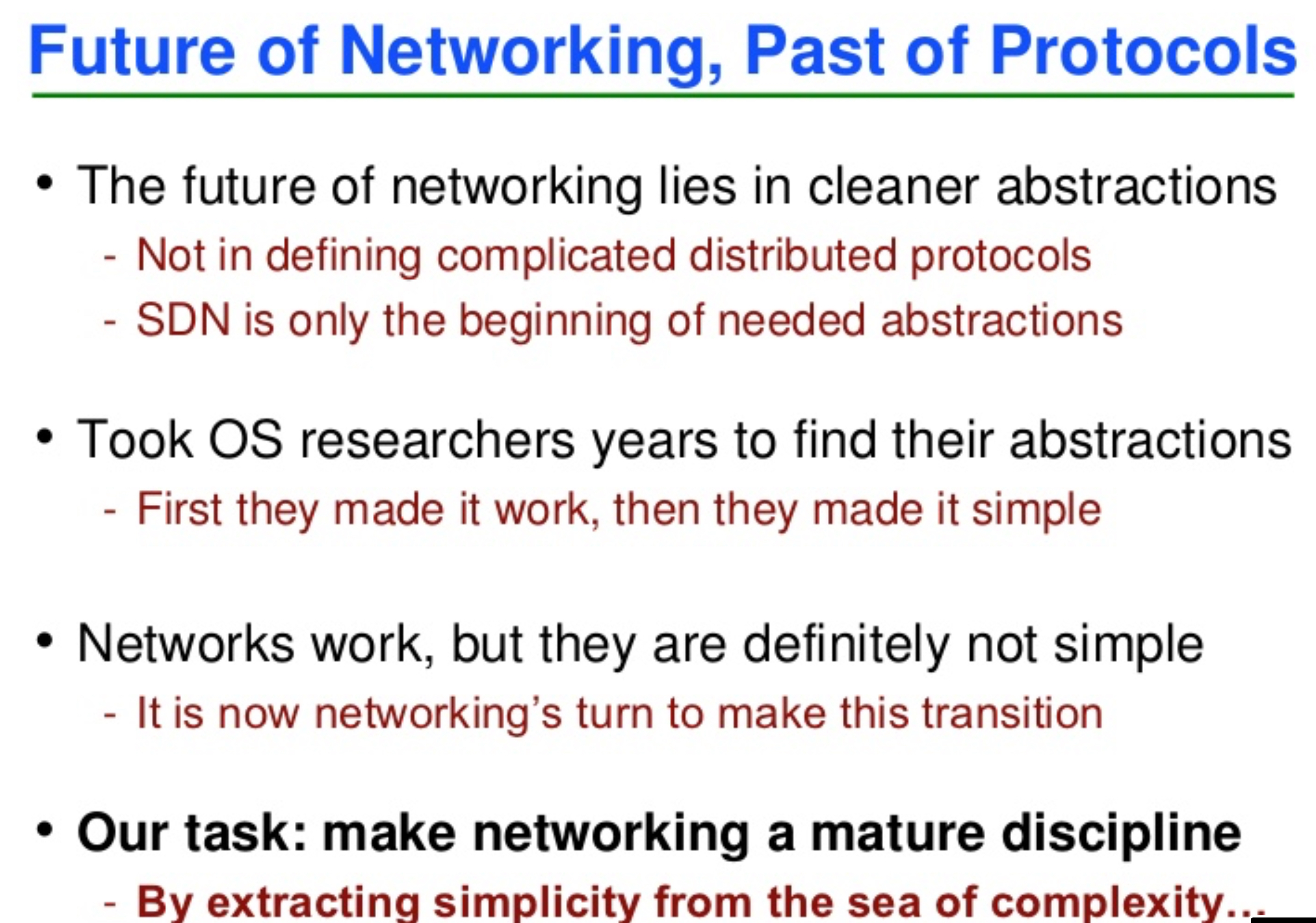
A presentation that I found that illustrates the power of abstraction is Scott Shenker’s presentation on the Future of Networking (SDN). https://www.slideshare.net/mobile/martin_casado/sdn-abstractions


FullSizeRender.jpg

It has taken my probability a dozen times looking at the slide deck to absorb the subtle details that Scott shares.  


FullSizeRender.jpg

The conclusion is  


FullSizeRender.jpg