Saying 5G is hyped seems like an understatement. You read and listen companies and they say how great it will be. But here are a few weaknesses that will slow down the deployments.
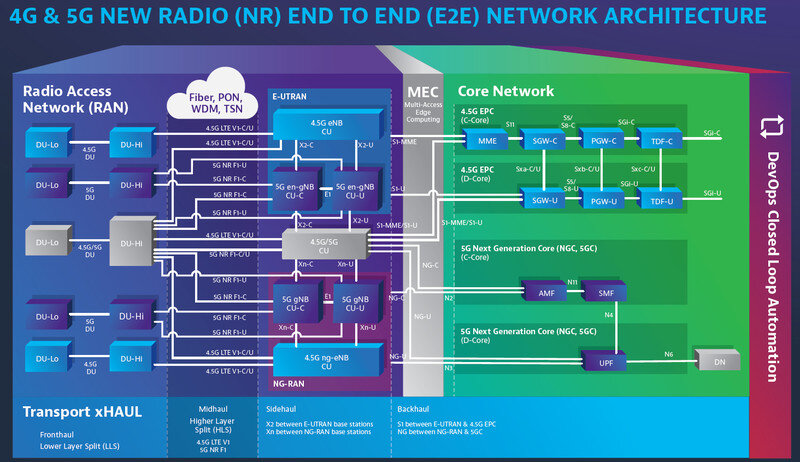
Below is a diagram from https://www.viavisolutions.com/en-us/5g-architecture.
When you get to the physical environment it is a cloud solution. OK makes sense to support the virtualization that permeates many parts of the system. Here is a simple test. How many of the top cloud experts at AWS, Microsoft Azure, and Google Cloud Platform would make the career move to work at a Telco to work on the Cloud environment? Pay enough money and you get a few. Now how many field technicians who deploy and run cloud infrastructure at those same companies want to quit and join a Telco? Are they paid top dollar. Nope. How many of the Telco people who have decades of experience running legacy LTE systems want to throw most of what they know out and learn a new Cloud infrastructure? This number is probably less than the number of people at the Cloud companies who want to move to a Telco.
Getting people to work on Cloud Infrastructure is really really hard.
What could be harder or at least just as hard is running all optical fiber to all the antennas for 5G. It is hard enough to get rights to put LTE antennas up. The number of antennas for 5G is a significant increase. The cost and time to get the easements to run optical fiber is significant. Even the Telcos creating showcase 5G solutions for stadiums do not provide complete coverage of high speed mmWave radios.
5G is a nice hype message. Everyone wants lower latency and higher speed. But the cloud expertise and running fiber are significant obstacles to overcome.