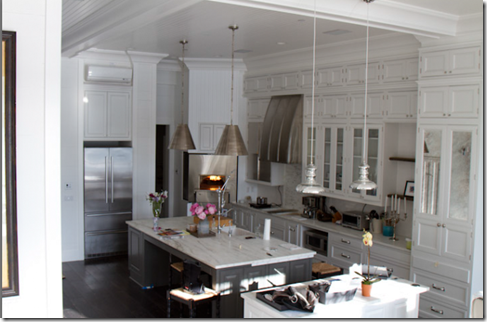
A view from 10 ft high of my new kitchen and living space

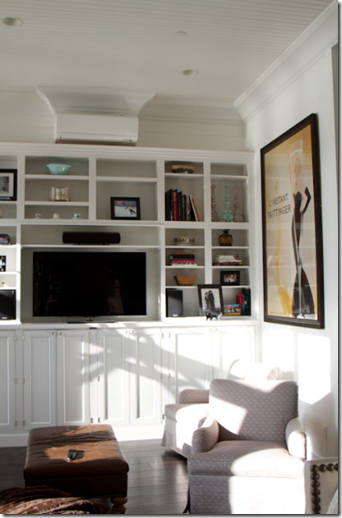
My Missouri Data Center friends were in town yesterday and they came over for lunch and a bottle of wine in the evening after they had finished their meetings.  I've spent many trips in Missouri to their homes and even went on a trip to Northern Missouri for Deer Camp which I renamed as Beer Camp as I saw way more beer than deer.  One of the comments my guests made is they have seen pictures of the house on this blog, but the living space and kitchen are hard to grasp until you are in the space.  So, let's try to show the space from a different view.  A view from 10 ft high.

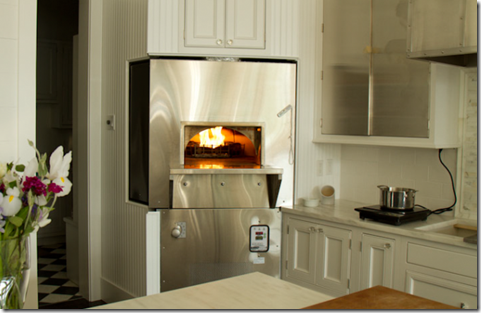
Here is a view 10 feet in front of my pizza oven at my height.image

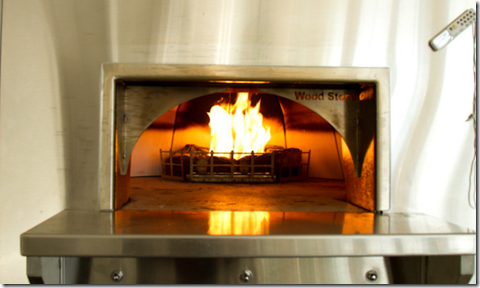
Here is a view closer - 3 ft looking in the oven.image

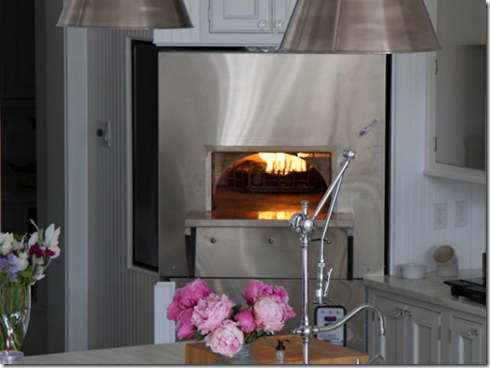
I backed up got on a ladder and went 3 ft higher on the ladder.  I am now about the same height as the light fixtures at 8 ft.image

From this angle I am now looking down into the oven.  BTW, love my new Canon 24-105 IS F4L lens.image

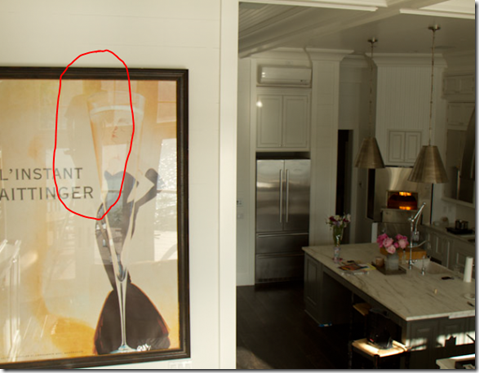
A little better, but let's try higher on the ladder.  I go up to the top rung and my head is now at 10 ft.  fyi, the ceilings are 12 1/2 ft.  When you look at this picture here. You can see my reflection in the frame glass.image

Here is this same picture shown from when I am standing on the ground.image

Back to the ladder let's look at my pizza oven in the kitchen through a wide angle 38mm lens.  The refrigerator to the left is 78" high.
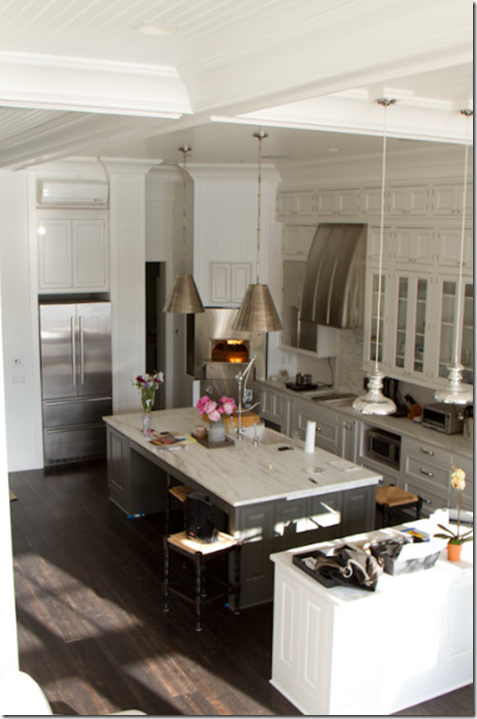
image

I shoot a level shot across the room from 10 ft in the air.image

Coming back to the ground. Let's try a shot with my wife and son for some scale.
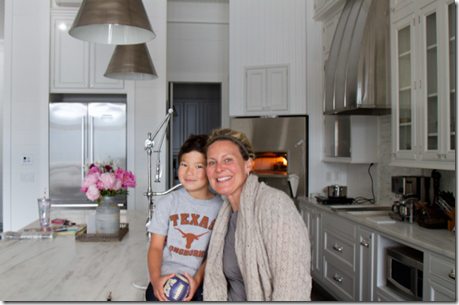
image

I have already made invitations to some of my data center friends to come on over for pizza, wine, and beer, and for them to make an excuse to visit the Redmond/Seattle area.  It was good to have my Missouri Data Center Friends as one of the first to see the house now that we are almost done.

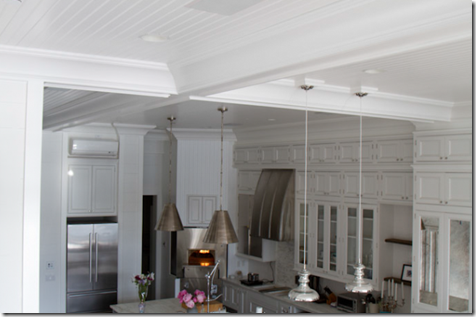
For you mechanical and construction guys, here is a view of the structural steel in the ceiling.
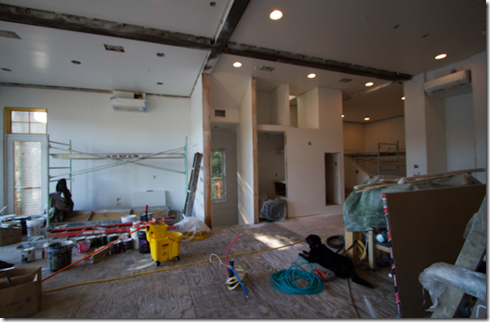
image

How big will Dell's Quincy Data Center be? Phase 1 = 25 MW, permitted for 14 3.0 MWe diesel generators

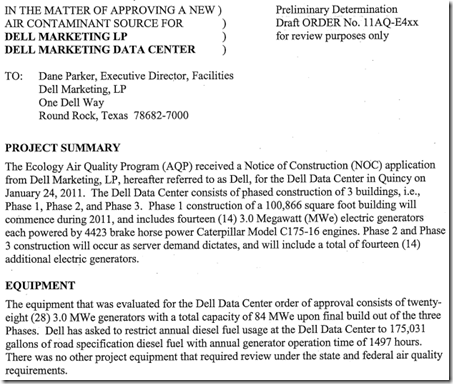
Dell is building a new data center in Quincy, WA.  How big is it?  The initial phase is permitted for 14 3.0 MWe = 42 MWe and another 14 3.0 MWe.  Depending on how they want to run the redundancy of the generators the power would most likely be 30 MW for total power.  Assume a PUE of 1.2 and you get 25 MW of IT load.

Here is the permit that gives you the information on the generators.

image

This is Phase 1.  Phase 2 & 3 is another 14 3.0 MWe diesel generators.

So, total for site is 50 MW of IT load.  This is a pretty big data center.

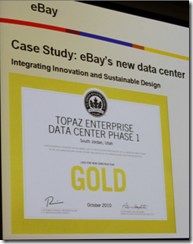
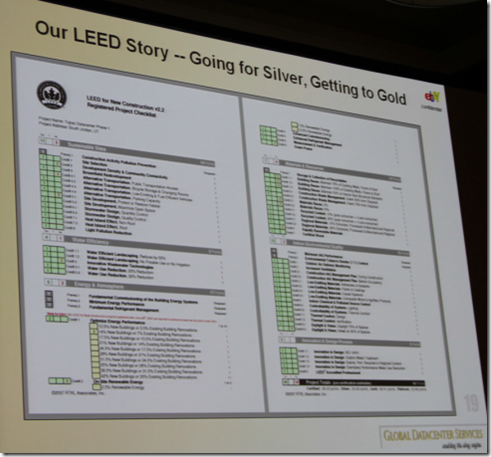
The right way to disclose Data Center LEED certification, eBay shows the points they earned for Gold

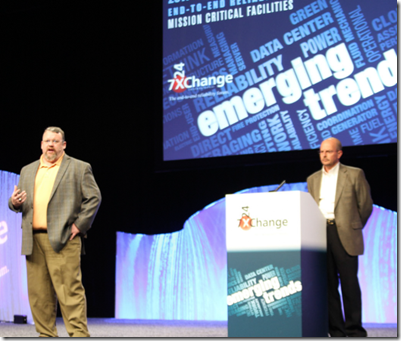
At 7x24 Exchange Orlando, eBay presented its story on achieving Gold LEED Certification.

image

image

eBay - Data Center Goes Gold

In May 2010, eBay officially opened its newest data center in South Jordan, Utah, named Topaz after the state stone of Utah. The facility was a green field development focusing on the design principles of reliability, maintainability, sustainability, and efficiency. As a result of the design and construction efforts, the facility achieved a LEED Gold rating in October of 2010.

Michael Lewis, Director Mission Critical Engineering, eBay
Stephen Spinazzola, Vice President, RTKL Associates Inc.

And, the one thing that eBay has done that I haven't seen any other data center is disclose its list of points earned to achieve Gold Certification.

Shouldn't this disclosure be a standard practice if someone markets their LEED certification?

image

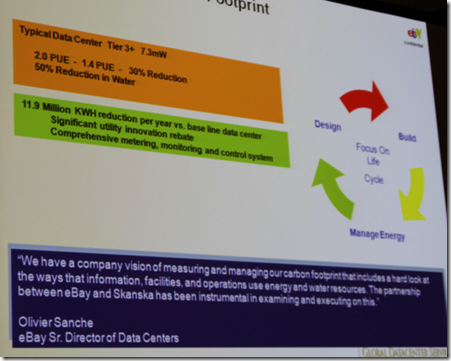
Here is a quote from Olivier Sanche.  Olivier is infamous as the departed Apple Data Center executive.  What few other people know is Olivier's baby, the data center he designed with Mike Lewis is the Topaz eBay Data Center.

We have a company vision of measuring and managing our carbon footprint that includes a hard look at the ways that information, facilities, and operations use energy and water resources.

image

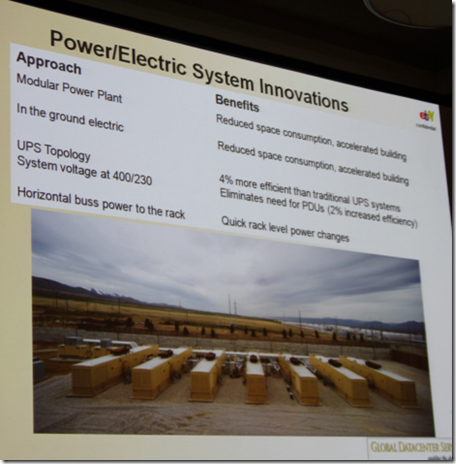
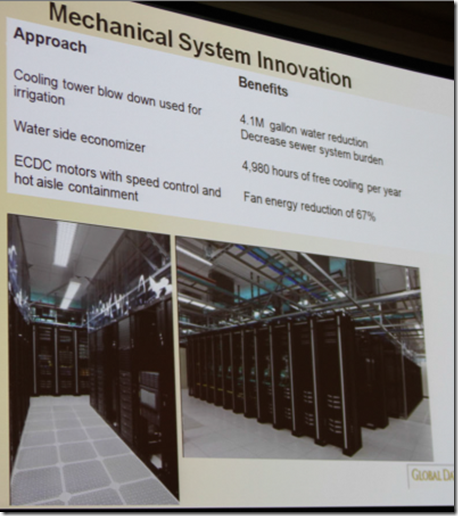
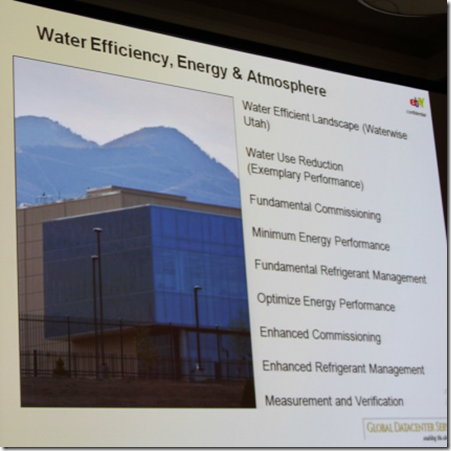
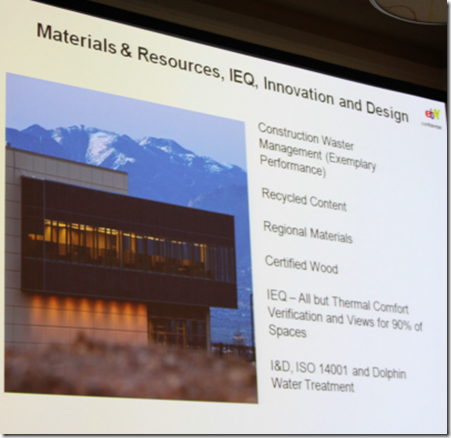
Here are few slides more slides that give details behind the LEED point achievements.

image

image

image

image

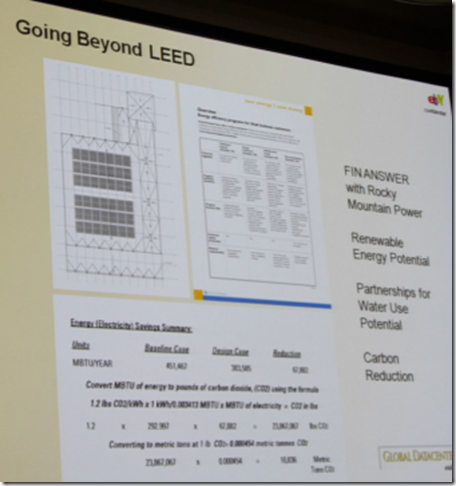
One of the last slides is going beyond LEED.

image

Schneider's Modular Data Center Infrastructure, discussed the Emerging Market scenario and Tax impact

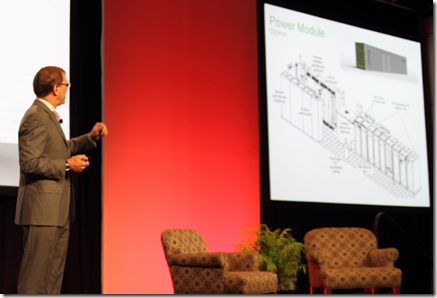
Schneider Electric's Neil Rasmussen gave a Keynote talk at Uptime.

Six Reasons Why Modular Power and Cooling Plants Will Make Traditional Data Center Designs Obsolete
Neil Rasmussen
Senior Vice President of Innovation, IT Business, Schneider Electric

image

The press release is here.

Schneider Electric Advances Data Centers With New Modular Power and Cooling Facility Solutions

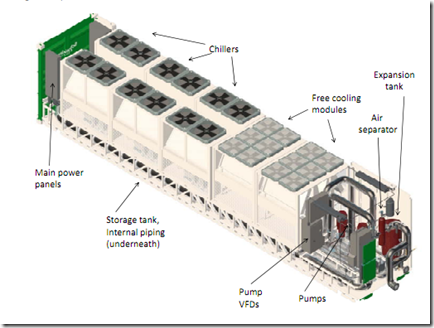
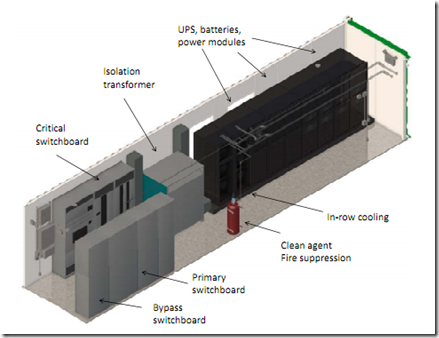
New Facility Modules Offer 500kW of Power & Cooling in Four Parking Spots -- 10-20% Less Capital Than Traditional Methods

For more technical details you can check out this pdf.

image

image

After Neil's keynote I got a chance to chat with him in more detail.  Two issues I brought up is most people are thinking only in their existing data center space, and not thinking about how to expand capacity in areas like emerging markets where a modular design could be used vs. traditional construction and the size of 500kW is a good starting point.

The other question I asked is what are tax implications and depreciation schedules for a modular design vs. traditional.  Too many people think of cost and don't understand the way things are expensed.  Even Ken Brill at Uptime said the cost of land is an expense.  Land is not an expense!  Land is not  depreciated as an expense.

Land is classified as a separate category for one major reason - land is not a subject to depreciation or depletion. Land is considered to have an infinite life, which makes it impossible to estimate its depreciation or depletion.

Before I decided in degree in Industrial Engineering, I actually thought about accounting, so I took lots of accounting and business classes in high school which reminds why I look at many data centers from a business perspective in addition to the IT technology.

If you are looking at modular data center construction, think about emerging markets and tax implications, and you may be surprised at what you discover.

50 Open Source Machines, imagine Facebook’s Open Compute Project doing the same

TED conference has a presentation by Marcin Jakubowski on Open-sourced blueprints for civilization.  Here is a video of Marcin’s talk.  It is 4:11.

Here are excerpts from the transcript.

We've identified the 50 most important machines that we think it takes for modern life to exist -- things from tractors, bread ovens, circuit makers. Then we set out to create an open source, DIY, do it yourself version that anyone can build and maintain at a fraction of the cost. We call this the Global Village Construction Set.

Here is a radical idea. Can you imagine a data center built like this?

I realized that the truly appropriate, low-cost tools that I needed to start a sustainable farm and settlement just didn't exist yet. I needed tools that were robust, modular, highly efficient and optimized, low-cost, made from local and recycled materials that would last a lifetime, not designed for obsolescence. I found that I would have to build them myself. So I did just that. And I tested them.And I found that industrial productivity can be achieved on a small scale.

Now you wouldn’t build this in the US, but maybe you could take this approach in an emerging market.

Wouldn’t it be cool if Facebook’s Open Compute Project supported the same vision of Marcin?

If this idea is truly sound, then the implications are significant. A greater distribution of the means of production, environmentally sound supply chains,and a newly-relevant DIY maker culture can hope to transcend artificial scarcity. We're exploring the limits of what we all can do to make a better world with open hardware technology.

Thank you.

(Applause)