The Atlantlic slips a digit, 1.5% not 15% of energy used in Data Centers

The Atlantic choose to write an article on the top 5 things they learned from Google's disclosure.

The Five Coolest Things We Learned from Google's Data Center Tour

Google
REBECCA GREENFIELD2,128 Views2:27 PM ET

The usually cagey Google has decided to let the world inside one of its data centers, putting up an explanatory website complete with pretty pictures a virtual YouTube tour and a Street View tour. In addition, Google also let Wired's Steven Levy actually walk around the center in Lenoir, North Carolina, giving us more information ever about the hubs that power all the Google related Internetting we do. It's a lot. Here are the five awesomest things we learned.

One thing they didn't learn is how much power data centers use.

4. So many cords.

The place is huge This one site alone has 49,923 servers. In total, Google has over 1 million servers, estimates Levy. And data centers in general consume 15 percent of the world's electricity output.

You could send The Atlantic an e-mail to point up the error, but already how many people now think data centers consume 15% of the world's electricity output. :-)

Google's Strategy of Using Images to tell the Data Center Story works

This morning I got a chance to chat with the Google folks about their blog post announcing an inside look at their data centers.  Google had successfully used video to tell the story of send.  Videos are good, but I've always been a still image type of person.  One of the ideas we discussed is the power of images.  The images are a status of what is seen.  When you show images people use their own perspectives to evaluate the truth of the image. 

If you go to the original Google post by Urs Hoelzle it is not long.  The images shared tell a much bigger story.

One image from street view is this blue curtained area.  What is behind the curtain?

NewImage

One of the funnier ones is where the writer focused on the stormtrooper.

Google Stormtrooper Guards Company's Data Center Secrets In Street View (PHOTOS)

The Huffington Post  |  By 

google storm trooper

Upon closer inspection, the trooper appears to be accompanied by a miniature R2D2. (Google, you old prankster, you.)

Here are a few more links that give you an idea of the range of interpretations.


Google Throws Open Doors to Its Top-Secret Data Center

Wired - ‎13 hours ago‎
TechSpot - ‎4 hours ago‎

Google Data Center Tour Videos, one by CBS

Getting a tour of data center is not possible.  Unless you are Steven Levy or CBS's Michelle Miller.

Here is the CBS Video.

Behind the cloud: A tour of Google's secretive data facilities

And here is the Google posted YouTube video for comparison.

Who is the tour guide for these privileged two?  Urs Hoezle.

Miller spoke with Google's senior vice president of technical infrastructure -- and one the company's first employees -- Urs Holzle, who is charged with running all of Google's data centers. He is known within the industry as the infrastructure czar.

Holzle showed Miller Google's networking room, the first place Google requests are routed before heading to the server floor, which houses 55,200 servers. Miller's visit was the only time they'll allow cameras on the server floor, but in an effort to promote transparency, Google will now sharevideos and pictures of all of their data centers on their website.

Note this last sentence.  "Google will now share videos and pictures of all of their data centers on their website."

How much pressure does that put on Amazon, Microsoft, Facebook, Apple, and the rest of the data center industry?

For those of you going to 7x24 Exchange Phoenix we'll hear more as Google's Joe Kava keynotes on Tues.

Keynote:
Google Data Centers: A Behind the Scenes Look at Infrastructure and Innovations


Google's data center practice helped develop the company's competitive edge for online services and products. Now, nearly seven years after the first data center went into production, there is an ever increasing need to be creative in order to drive efficiency and minimize the impact on the planet. This presentation hopes to uncover some of Google's early day decisions, why they were made and how those decisions led to future innovation. Take a virtual tour with us of our facilities and join the discussion of what challenges we all face in the industry.


Joe Kava
Senior Director
Google Data Centers

Google uses World Class Photography to tell the Data Center Story

What goes on in the data center is a mystery to many.  We have all been in numerous data centers.  In general taking pictures is not allowed and you are left to explain what is going on with words.  What if you allow a world class photographer to tell your data center story?

Google took this approach using Connie Zhou as a photographer.  Photos allow one image to tell a story that can be interpreted many different ways. Yet, all these interpretations are truths.  Trying the equivalent in words.  One image can show how well organized a facility is, how well organized the facility is, and show a design approach used to solve design issue which accounts for up front costs and operating cost.

Google has a blog post on an inside look of its data centers.

Google’s data centers: an inside look
October 17, 2012
Very few people have stepped inside Google’s data centers, and for good reason: our first priority is the privacy and security of your data, and we go to great lengths to protect it, keeping our sites under close guard. While we’ve shared many of ourdesigns and best practices, and we’ve been publishing our efficiency data since 2008, only a small set of employees have access to the server floor itself. 
Today, for the first time, you can see inside our data centers and pay them a virtual visit. On Where the Internet lives, our new site featuring beautiful photographs byConnie Zhou, you’ll get a never-before-seen look at the technology, the people and the places that keep Google running. 
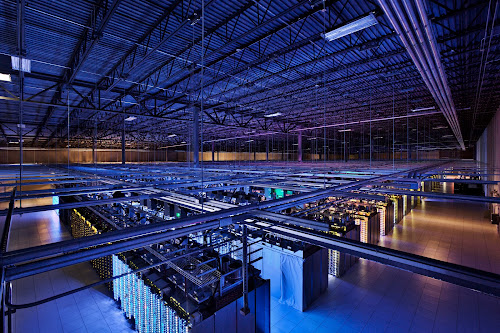
The server floor in Council Bluffs, Iowa

 If you are a person who likes words you can read Wired's Steven Levy article here, but even he starts out with a great picture.

Google Throws Open Doors to Its Top-Secret Data Center

Photo: Google/Connie Zhou

If you’re looking for the beating heart of the digital age — a physical location where the scope, grandeur, and geekiness of the kingdom of bits become manifest—you could do a lot worse than Lenoir, North Carolina. This rural city of 18,000 was once rife with furniture factories. Now it’s the home of a Google data center.

One of the pictures i like is this one.

NewImage.png
NewImage.png

If you click on the image, the story about the picture is told.

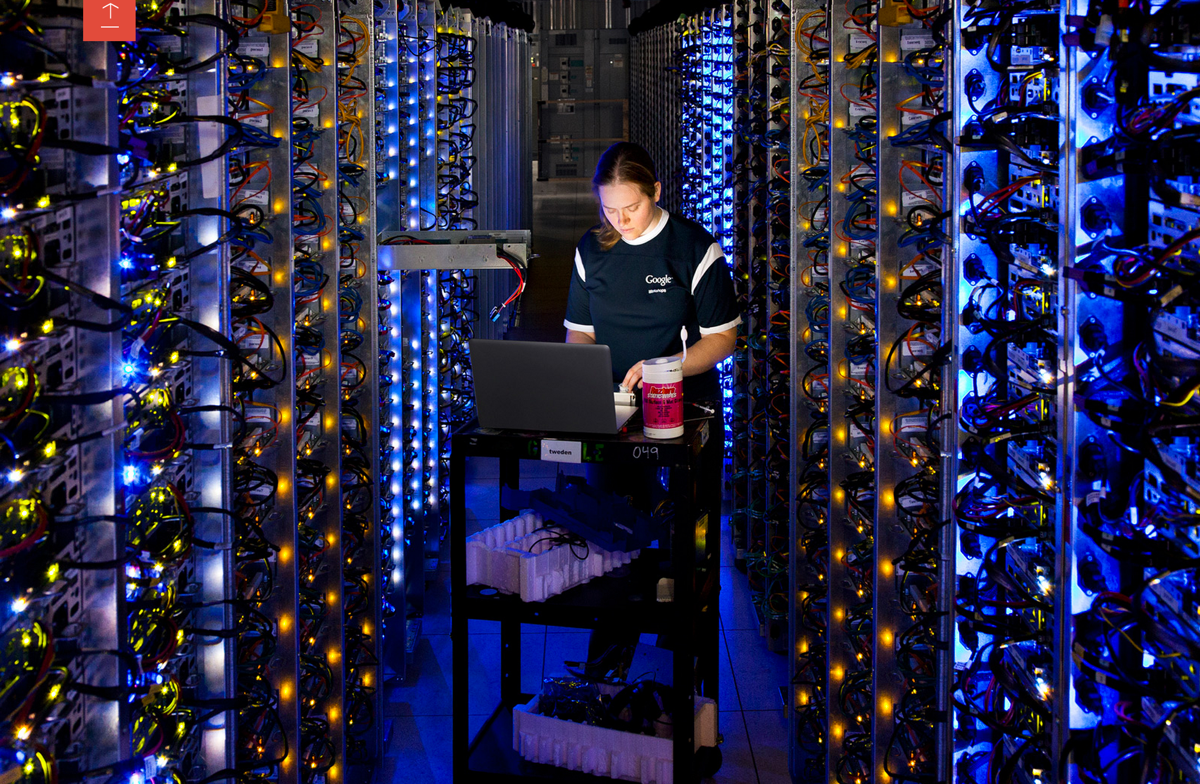
Denise HarwoodHardware Operations

Surrounded by the deep blue lights of our servers, Denise Harwood diagnoses an overheated CPU. It's half of her job as a repair technician to help keep equipment up-and-running at all times. The other half is working on the data security team, making sure what goes into our centers is thoroughly protected. 

Denise discovered her Google job in a unique way. “It was through playing Dungeons and Dragons,” she says. While playing the game, she met a Google employee and discussed future work plans. “I had originally planned to get a degree in literature, but later changed my major to Computer Science,” she says. After graduating, she applied to our data center in The Dalles, Oregon, where she now works as part of a 150-person team.

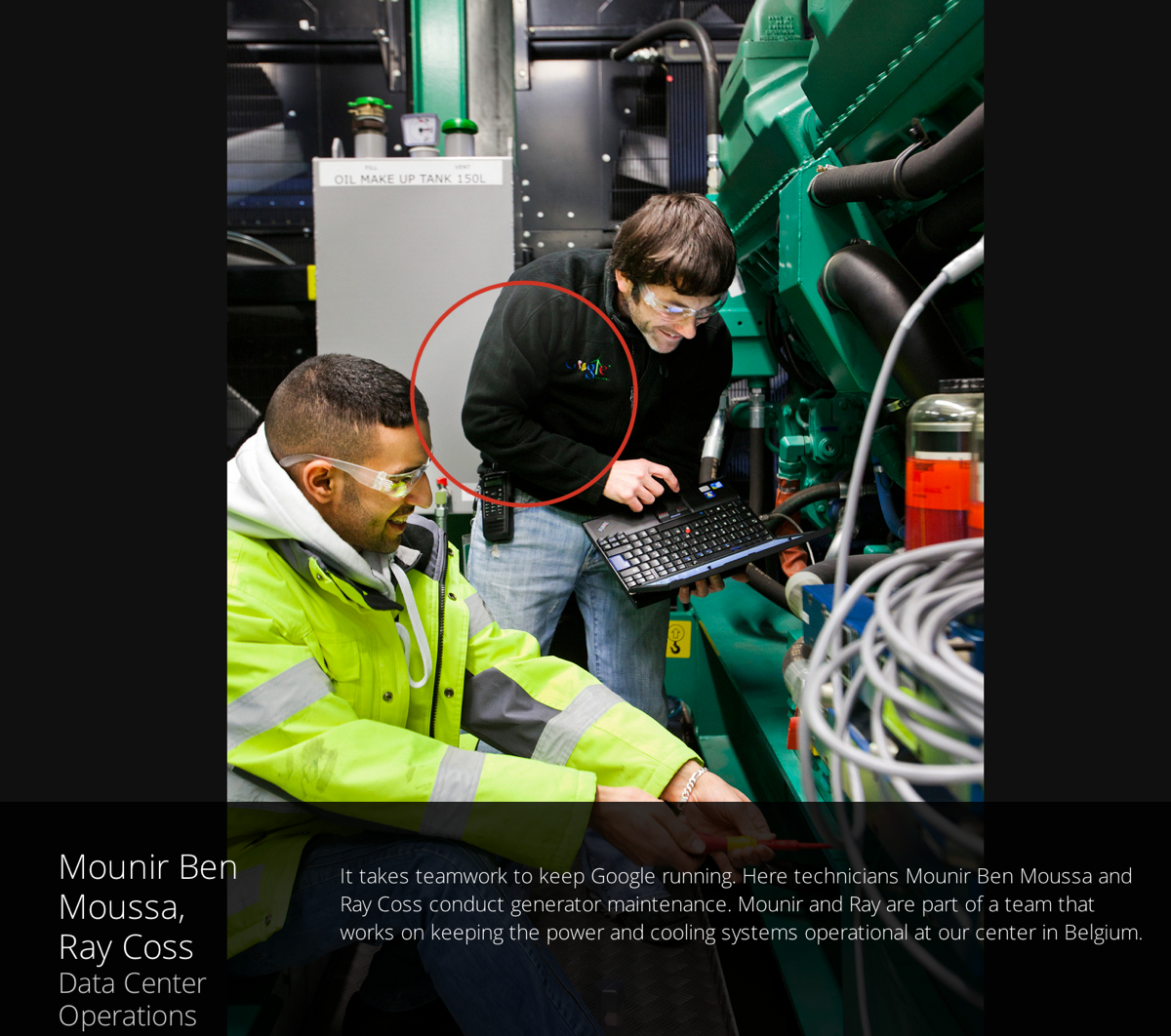
If you want to read the words behind each image then click on the image.

NewImage.png
NewImage.png

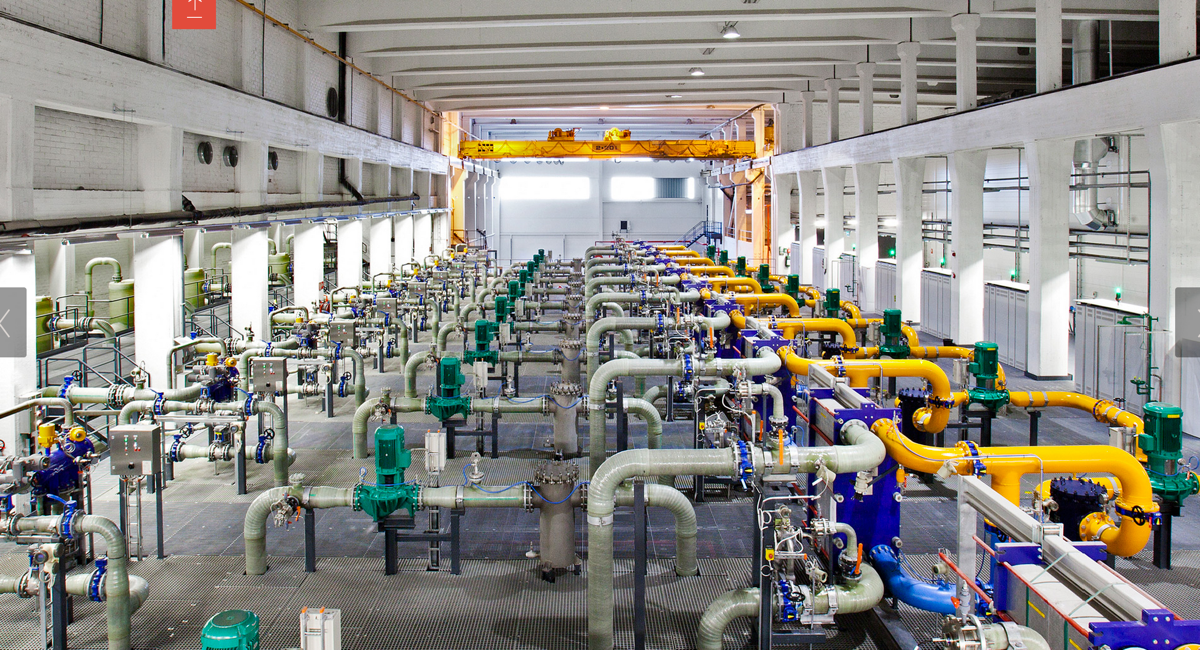
Note not all the images have stories behind them.  The below is the Hamina data center's sea water cooling system.

NewImage.png
NewImage.png

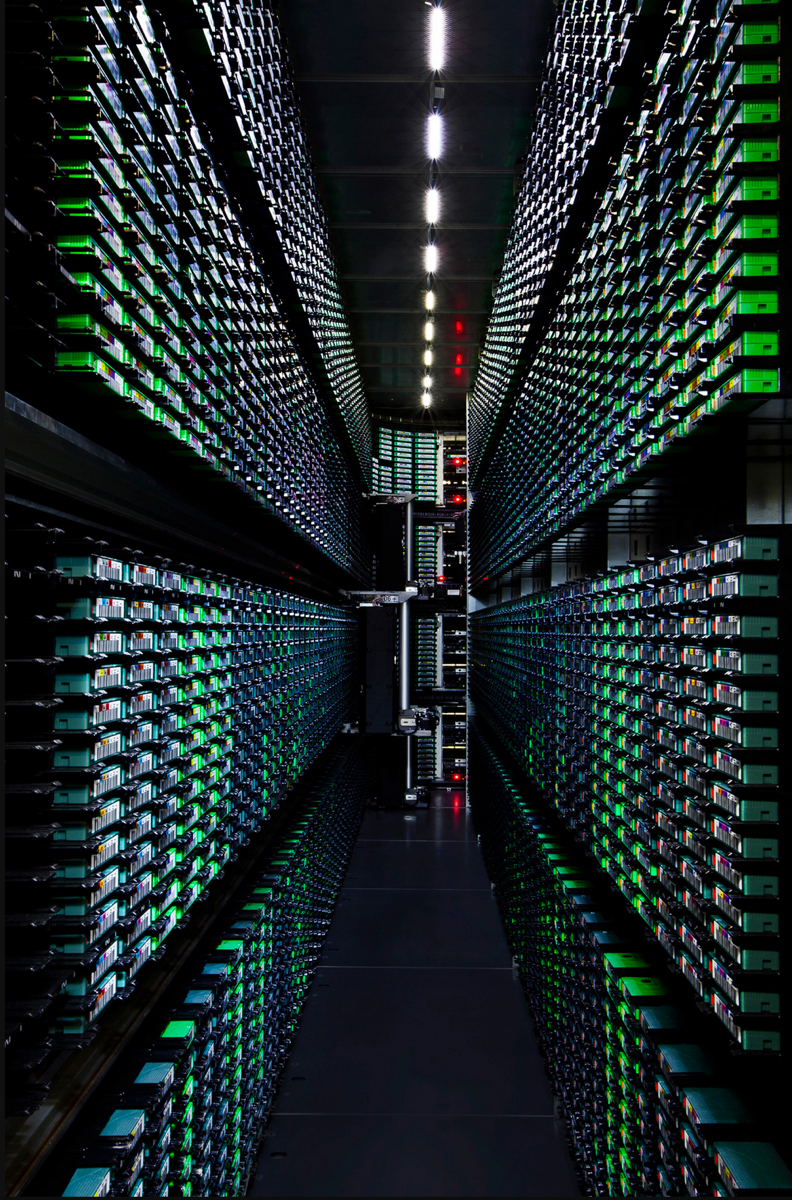
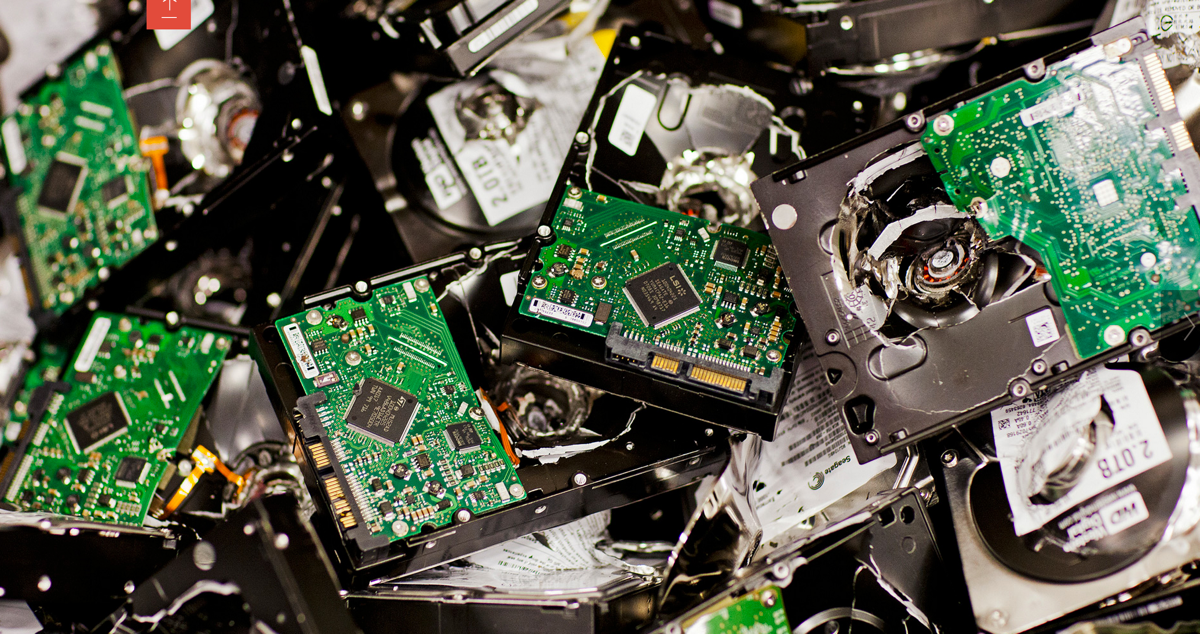
One area that many would be concerned is data management, but you don't really want to open up the access doors to the tape back-up system and have HD staged to demonstration the crusher.  Showing these pictures is so much easier. 

NewImage.png
NewImage.png
NewImage.png
NewImage.png

Why Renewable Energy is the Right Decision for Google's Green Data Center

Google was nice enough to let me know yesterday that they would make a renewable energy announcement today, and I have a bit of time to think about the impact of the announcement.

More renewable energy for our data centers

September 26, 2012
We announced our commitment to carbon neutrality back in 2007, and since then we’ve been finding ways to power our operations with as much renewable energy as possible. In our latest step toward this end, we just signed an agreement with the Grand River Dam Authority (GRDA) to green the energy supply to our Oklahoma data center with 48 MW of wind energy from the Canadian Hills Wind Project in Oklahoma, which is expected to come online later this year.
...
This brings the total amount of renewable energy for which Google has contracted to over 260 MW.

The press release went live at 7:00a PT this morning and as expected GigaOm's Katie Fehrenbacher and DatacenterKnowledge's Rich Miller put up posts quickly.

http://gigaom.com/cleantech/google-powers-a-data-center-with-wind-for-the-first-time/

http://www.datacenterknowledge.com/archives/2012/09/26/google-provisions-more-wind-power/

What comes to mind when I see Google's actions is a speech from UPS's Scott Davis Chairman and CEO about Right Turns at the Right Time.

Here are parts of the speech that support the idea of doing the Right Thing for the environment.

Why are so many companies struggling to survive, let alone grow in value?

 Making the right choices for the long time is part of his theme, and how it fits into sustainability.

I believe that some companies made expedient decisions¿ or took ill-advised shortcuts¿ that compromised their reputations, and in the long-term, their underlying value.

There is no question that this is a challenging economic environment. It's very tempting to take the quick, cost-cutting approach without carefully considering the impact on your company's reputation.

In the short time we have together today, I'd like to share my perspective on the vital role your company's reputation should play in your strategy and decisions.

I'd like to address two topics:

* First, why reputation should matter to every company, large and small, and why you should guard it zealously. Why, in my view, it's the bedrock of long-term profit, and sustainability.

* Second, what we can do to ensure that our companies' reputations do not become the victim in this belt-tightening environment . And

Why is this so important?  This is part of your brand and choices customers make.

Let me frame my comments by saying that reputation to me essentially means the degree of trust, admiration, and esteem that stakeholders have for a company.

Jeff Bezos, the CEO of Amazon, and someone I admire greatly, defines reputation in a more candid way : He says "reputation is what people say about you when you leave the room."

Yeh, yeh doing the right thing is important, but I am about the bottom line.  Well the bottom line is your reputation in the customers mind is worth billions of dollars, even to Google.

According to most reliable sources that study issues involving corporate reputation, the value of a company's reputation capital¿ its intangible assets such as brand equity, intellectual capital, and goodwill¿ is enormous.

It can constitute between 70-80%, and in some cases, such as Google and Coca Cola as much as 90% of a company's market value.

UPS's brand value has been placed as high as $21 billion dollars. That's "B" as in billions . . .

I see a few CFO's out there, and I can tell by the smiles on their faces that I just got their attention!

The environmental aspect is key to UPS's strategy.

We have implemented many environmental programs company-wide, but our efforts in this area are perhaps best illustrated by our initiatives relating to our vehicles.

For nearly 80 years, we've been focused on fuel conservation, long before it became the critical issue that it is today.
In the 1930s, for example, we pioneered the use of electric-powered vehicles in New York City.

Today we operate the world's largest fleet of low-emission vehicles, approximately 20,000 of them, and that number will continue to grow.

We also operate the largest alternative fuel-fleet in private industry. That includes natural gas, liquefied natural gas, propane, fuel cell, electric, hybrid electric, and hydraulic hybrid fleets.

Our entire delivery network has been re-engineered for more environmental benefit. You may have heard it described in the press as the UPS Right Turn Policy .

I can see a few of your smiling out there, and I know what you may be thinking¿ but it really works.

We carefully map-out routes for all our drivers to reduce the number of left-hand turns they make.

And, here is a statement that will really get your attention.

The bottom line for us is that our stakeholders need to know that when it comes to the environment, we intend to be part of the solution, not part of the problem.

Who would think that this is a speech that comes from UPS's CEO?

But when it involves your company's reputation, you have to have the courage for the long haul :

* The courage to cling to your convictions
* The courage to place reputation at the head of the line...Every Time!!
* The courage to maintain, despite all the howls of protest, clarity of purpose, and relentless focus on your company's reputation

Second, do the right thing at the right time . . . repeatedly.

...

In closing, let me leave you with this challenge: When it involves your company's reputation, do what's right over what's easy.

I hope this helps you look at how Google's Green Data Center efforts fit in an overall strategy and it is important enough to hit the Official Google Blog.

we’re a growing company with a corporate mandate to use clean energy for our operations in a scalable way.