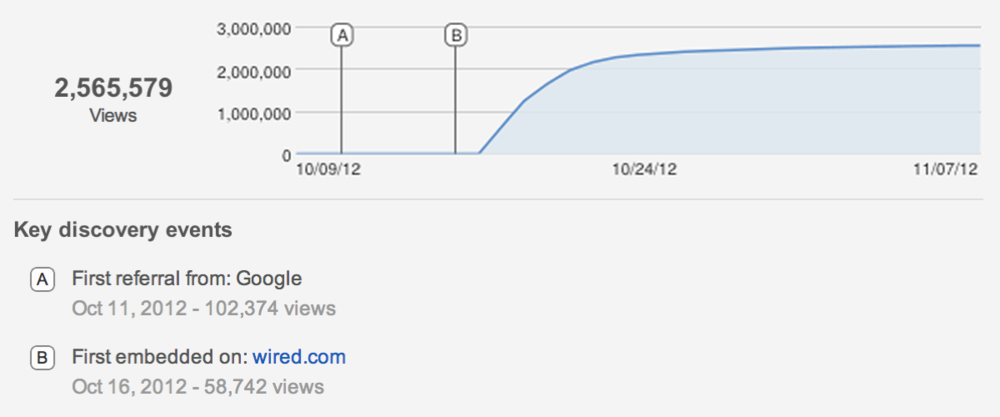
Google's Data Center Water use spans from ocean to reclaimed to industrial to storm to none

Joe Kava, VP of Data Centers at Google presented a keynote session at 7x24 Exchange Phoenix.  

One of the topics Joe discussed is the range of water used to cool Google's data centers.  Many discuss one technology as the best.  Google shows the wide range it uses to be the most efficient and sustainable at multiple sites. 

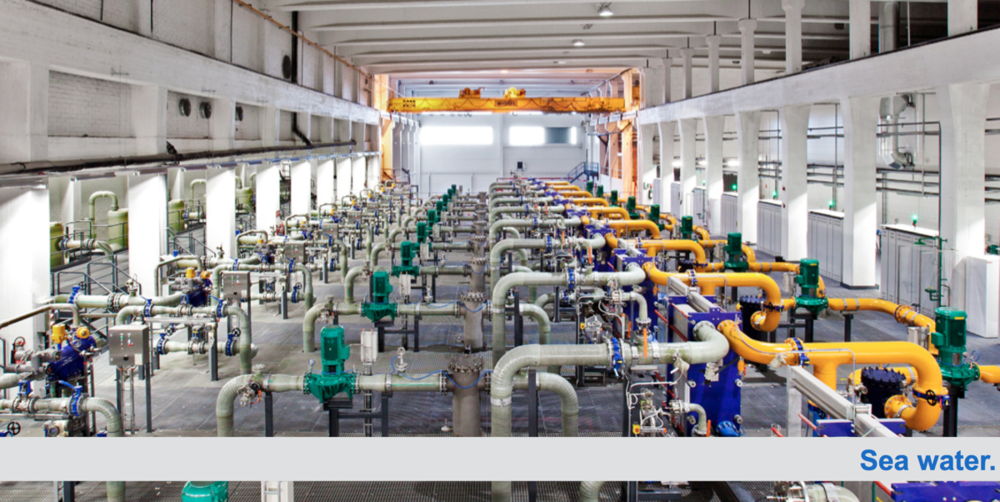
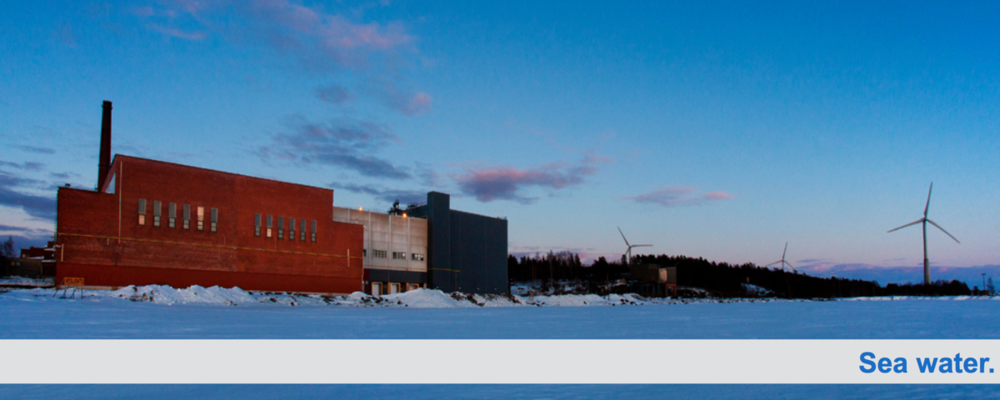
Sea Water in Hamina
NewImage

NewImage

Reclaimed Water is used in Georgia.

NewImage

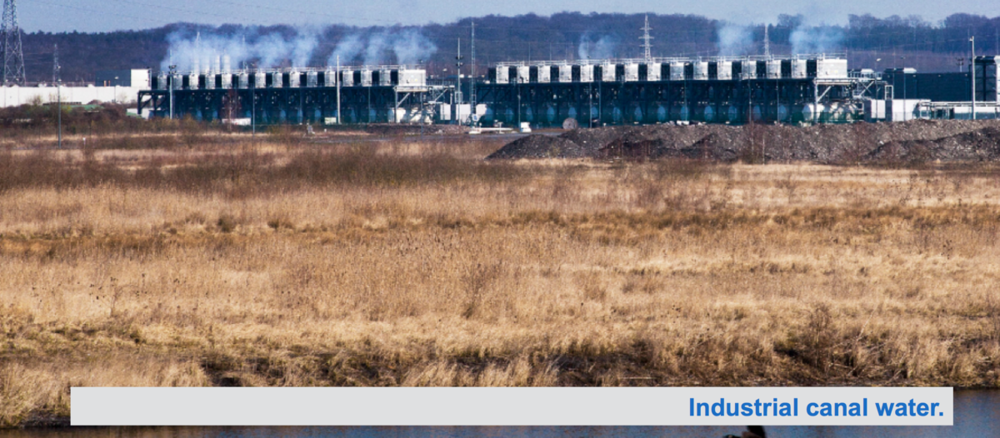
Industrial Canal Water in Belgium.

NewImage

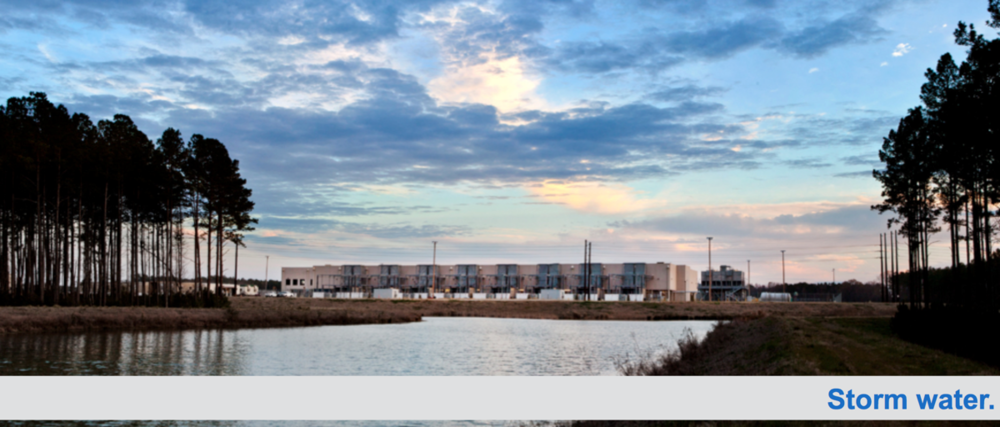
Storm Water in South Carolina.

NewImage

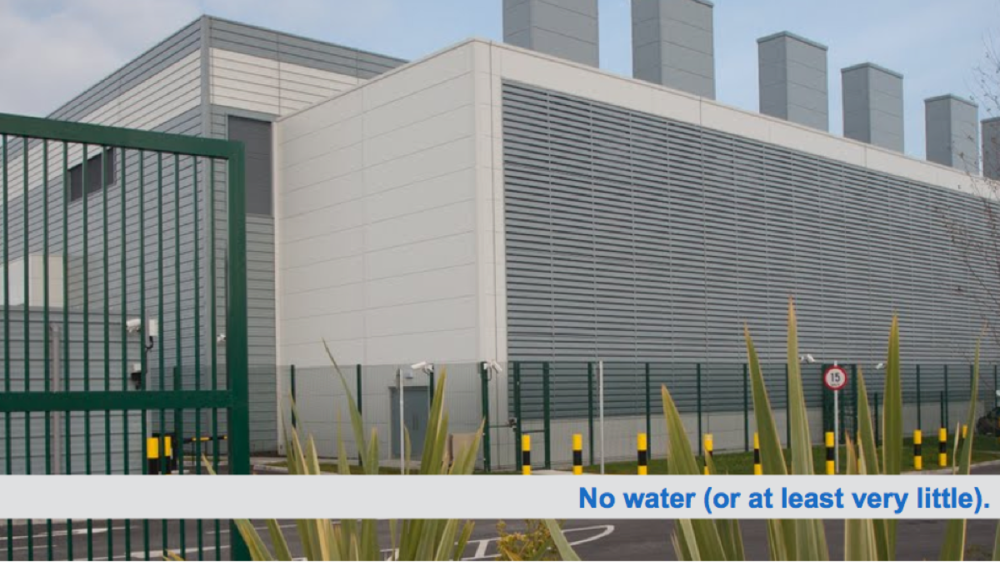
And No water. or least little in Ireland.
NewImage

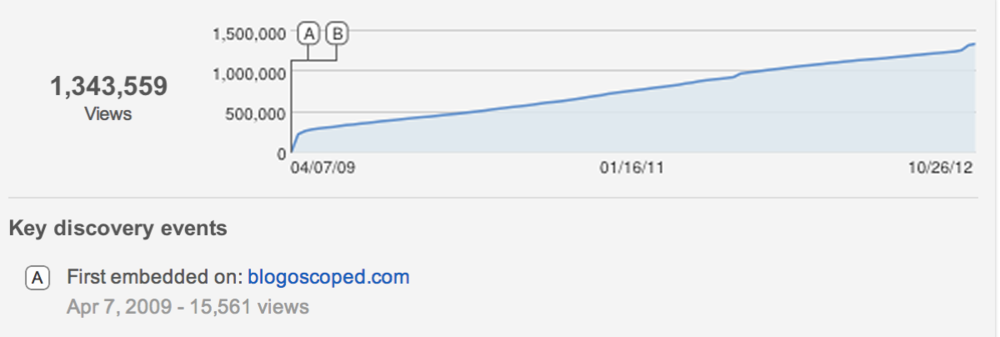
Joe has been talking about water use in Google Data Centers since 2009.  Below is a video of Joe presenting at the 2009 Google Efficient Data Center Summit discussing the use of storm canal water in the cooling systems

Latest Data Center Executive to achieve VP status, Google's Joe Kava, VP

Something is going on with data center executives at Web2.0 companies.  They are being promoted to VPs.

The latest executive to achieve VP status is Google's Joe Kava.  Joe updated his LinkedIn status last week.

NewImage

Joseph Kava

Data Center Operations Executive

San Francisco Bay Area 
Information Technology and Services
Current
  1. Vice President - Data Centers at Google

When you look at the big data center operators, not the wholesale guys, but the companies who build and run their own data centers for Web2.0  - Google, Microsoft, Amazon, Facebook, and Apple, the data center team has a significant role in achieving business goals and the executives are critical team members of the company.  The cloud just doesn't magically scale contrary to media hype.  Building cost effective, agile, and high performing data centers is key to the success of a Web2.0 company.

We are still at the early stages of Cloud and Big Data where companies are embracing a Petabyte of data as a common occurrence.  The cost, performance, and availability of that petabyte of data is dependent on the data center infrastructure which is supported by people.

Hurricane Sandy reminded people how fragile the internet infrastructure can be.  Which is why Web2.0 companies embrace geo-redundancy. 

People will change the data center industry more than technology innovation.

I am looking forward to see Joe's presentation next week at 7x24 Exchange Phoenix.  Which reminds me, the folks at 7x24 need to update Joe's title to VP.

9:00 A.M.
Keynote:
Google Data Centers: A Behind the Scenes Look at Infrastructure and Innovations


Google's data center practice helped develop the company's competitive edge for online services and products. Now, nearly seven years after the first data center went into production, there is an ever increasing need to be creative in order to drive efficiency and minimize the impact on the planet. This presentation hopes to uncover some of Google's early day decisions, why they were made and how those decisions led to future innovation. Take a virtual tour with us of our facilities and join the discussion of what challenges we all face in the industry.


Joe Kava
Senior Director
Google Data Centers

John Maeda's Vision "Leadership Makes Action"

The closing slide for John Maeda's presentation at GigaOm Roadmap was this slide.

"Big Data combine with Design can support Leaders to Lead their organizations better"

NewImage

Stacey Higganbotham has a post on the talk here.

Nov 5, 2012 - 12:56PM PT

Good design can improve leadership by making big data accesible

As the computer revolution has morphed into today’s web, design has a more important seat at the table. Not only is the web visual, but the data generated and the loss of hierarchy enabled by the web has created leadership challenges that good design can solve.

After a lesson in typography and an explanation of his lifelong passion in bringing technology and design together, John Maeda, president of the Rhode Island School of Design, laid out his view of the future challenge facing leaders now that social media and technology have overturned the traditional company hierarchy. Fortunately, the solution to that challenge appears to be a applying good design to a lot of data.

...