Britain sabotaged its Computing Industry being male chauvinists

The Imitation Game highlights the British efforts by Alan Turing to break the Enigma code. I like this picture from the movie because it kind of looks like a data center
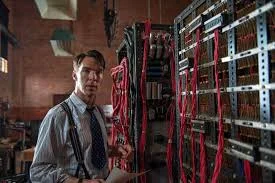
Movie makers are smart enough to show a women in the movie to make it more interesting and diverse to the audience.  Who wants to watch a bunch of guys build a computer?

Hidden Figures went even better to show mostly women working as computers.

Did you know that one of the contributing factors in the decline of British computer technology was efforts to give preference to men to be computer programmers and operators?

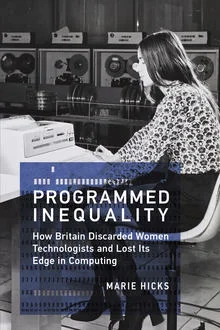
In Programmed Inequality, Marie Hicks explores the story of labor feminization and gendered technocracy that undercut British efforts to computerize. That failure sprang from the government’s systematic neglect of its largest trained technical workforce simply because they were women. Women were a hidden engine of growth in high technology from World War II to the 1960s. As computing experienced a gender flip, becoming male-identified in the 1960s and 1970s, labor problems grew into structural ones and gender discrimination caused the nation’s largest computer user—the civil service and sprawling public sector—to make decisions that were disastrous for the British computer industry and the nation as a whole.
— https://mitpress.mit.edu/books/programmed-inequality

This male chauvinism was government sponsored.

Hicks traces the role of women in computing in the UK from the 1940s to the 1980s. During those years, women were marginalised within the industry as computing moved from being considered low-paid, unskilled and therefore “women’s work” to higher paid, skilled “men’s work”.


This categorisation was created and perpetuated by the UK’s largest employer, the civil service, which wanted to preserve the societal status quo (men as the main breadwinners, women as homemakers) and power in the hands of an elite few (white, middle-aged men) even at the expense of economic progress.
— http://www.thenational.ae/business/the-life/book-review-britains-code-breaking-women-overlooked
Is that "Steve" on the book’s cover? No. That’s Cathy Gillespie. She started her operating career at the UK government’s Post Office computing centre, after quitting secretarial college because of the dead-end nature of the work. She had to swe…

Is that "Steve" on the book’s cover? 

No. That’s Cathy Gillespie. She started her operating career at the UK government’s Post Office computing centre, after quitting secretarial college because of the dead-end nature of the work. She had to swear she wouldn’t have children in the near future to clinch the job. 

What happened after that?

After two years, Ms Gillespie moved to IBM, which is where this publicity shot was taken in 1970. As the author writes, the way the photo is staged, "Gillespie sits in a seeming passive role … in a way similar to a secretary at a keyboard". By contrast, photos of men show them "striding around with a sense of gravitas that seemed to heighten their importance".
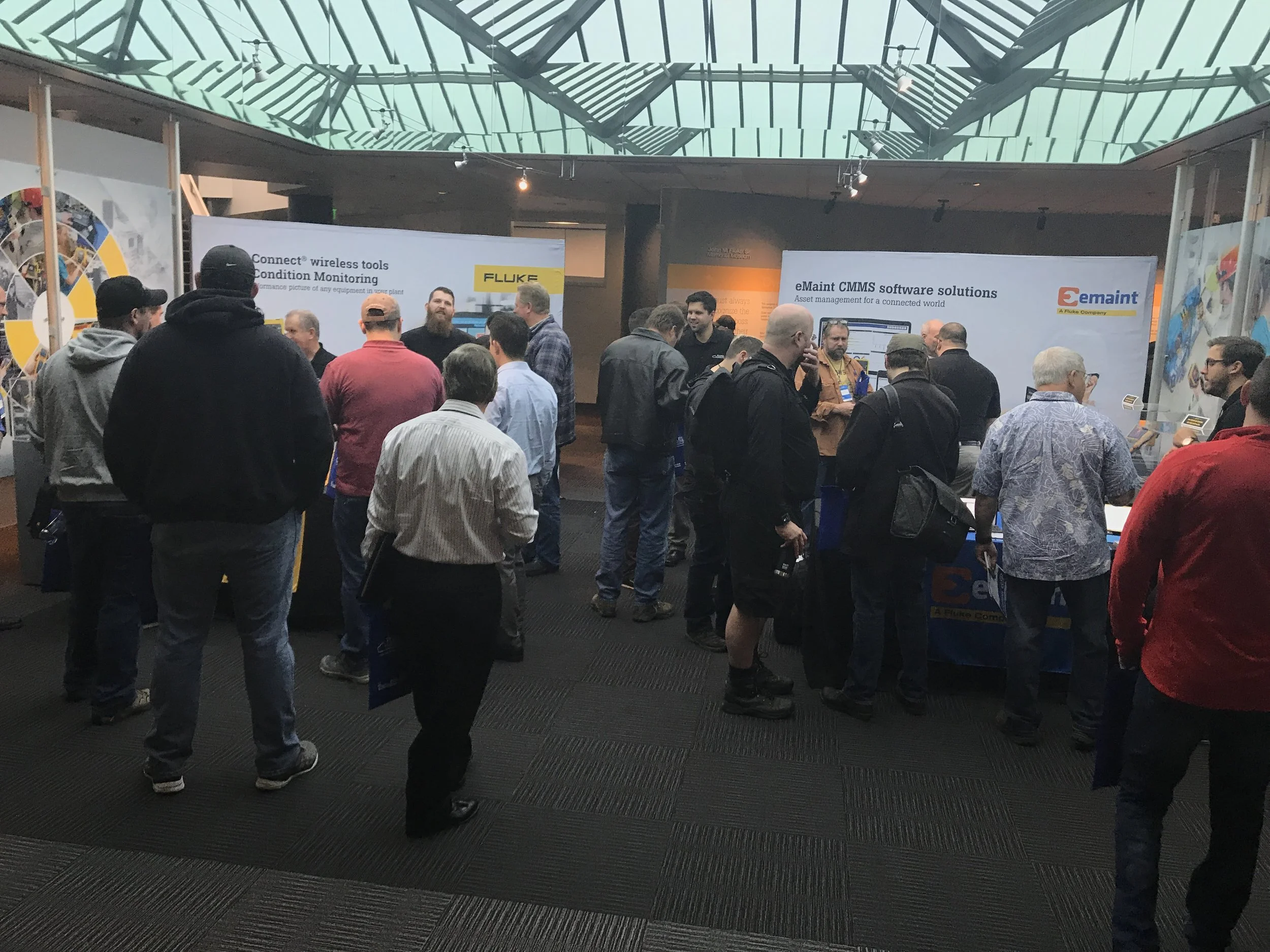
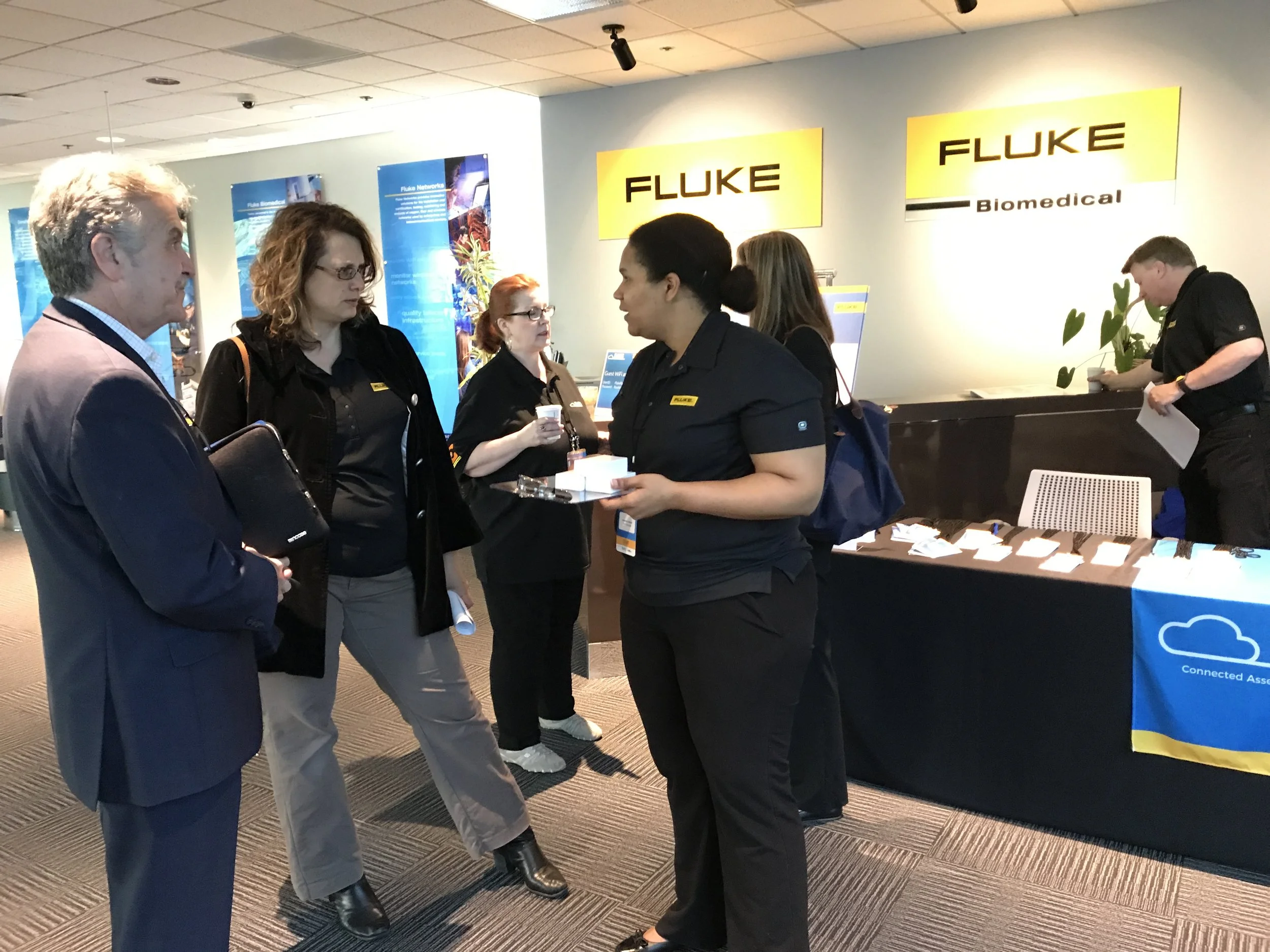
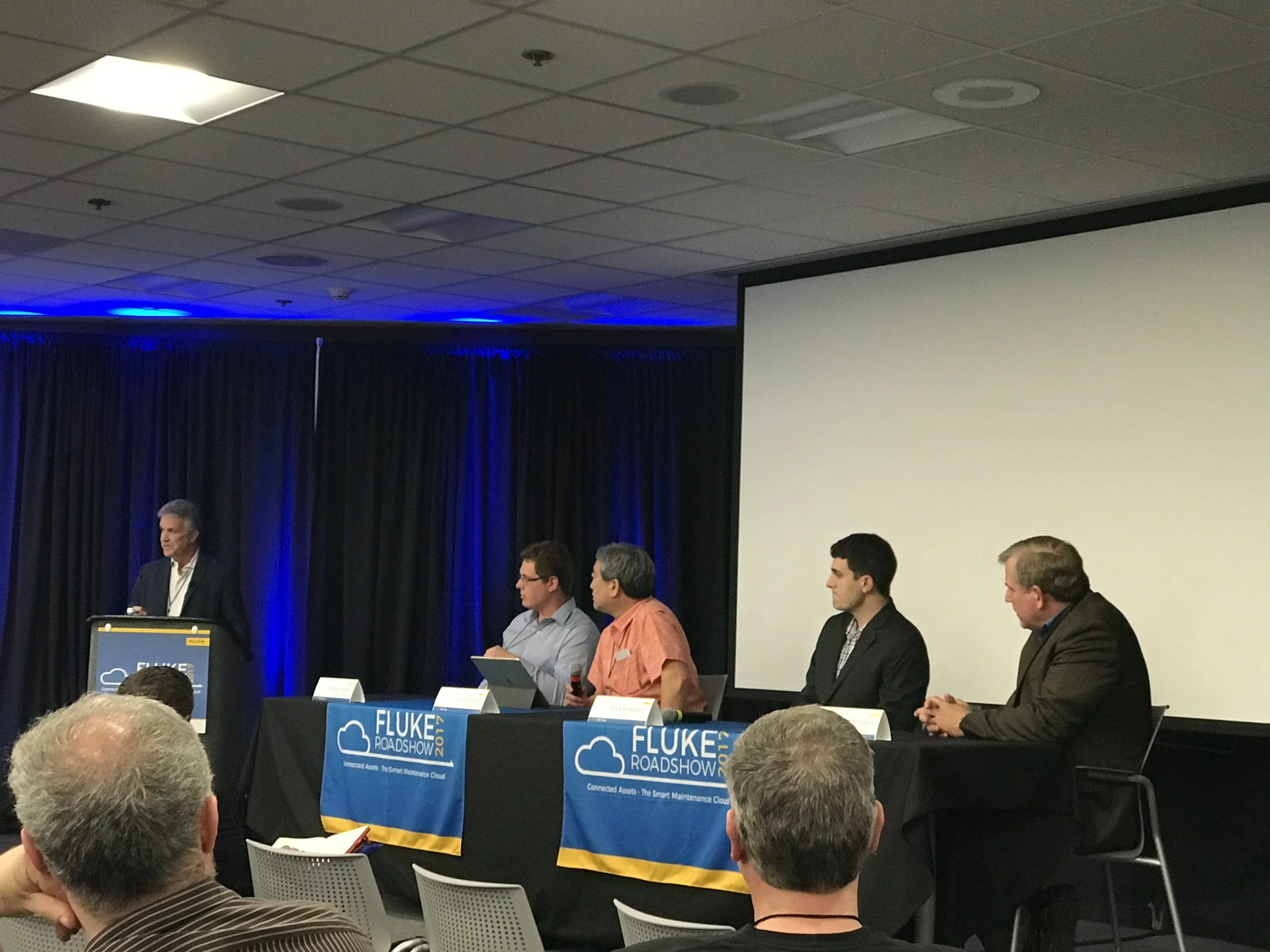
Off to another Fluke Roadshow 2017 in Austin on May 11

Fluke has a Roadshow event and I was on a panel for the Seattle event on May 2. On May 11 in Austin I'll be presenting a breakout session of the use of Machine Learning. The Seattle event had over a hundred people interested in the smart maintenance and connectivity. What some people may call the Industrial Internet of Things.

The event was well worth my time. One of my data center buddy who used to work a cellular company, Mickey Mouse, and the biggest bookstore was there too and the Fluke engineers were interested is his perspectives on how facility maintenance could be improved with IIOT type of efforts.

I had fun on the panel and tested some ideas I have been working on.  Digital media efforts may be the latest, but I am one of the old school people who believe that presenting in front of a live audience allows you to test your ideas.  Then scale that work on digital media.

Where is Google's Renewable Power?

Google was one of the first data center companies to get a PPA. A PPA? Power Purchase Agreement. I am pretty sure Google was first, but it was 2009 when they started and I can't remember if there was possibly someone else. I think back in 2009 people were thinking they need to fund their own renewable energy projects and didn't even know what a PPA was.

In 2009, our data center energy team began to study power purchase agreements (PPAs): large-scale, long-term contracts to buy renewable energy in volumes that would meet the needs of our business. The idea behind using a PPA is simple: Google can’t buy clean energy from our utilities because of regulatory restrictions on our retail contract, and we can’t produce nearly enough of it behind the meter at our data center facilities because of physical and geographical restrictions. But we can buy it at the wholesale level directly from developers on the same grids where we operate our data centers.
— https://environment.google/projects/ppa/

I was lucky and spent a bunch of time hanging around OSIsoft friends like Pat Kennedy who were immersed in the workings of power generation and Pat suggested that data centers could benefit from going after lumber decommissioned power plants which have water rights, power and PPAs.

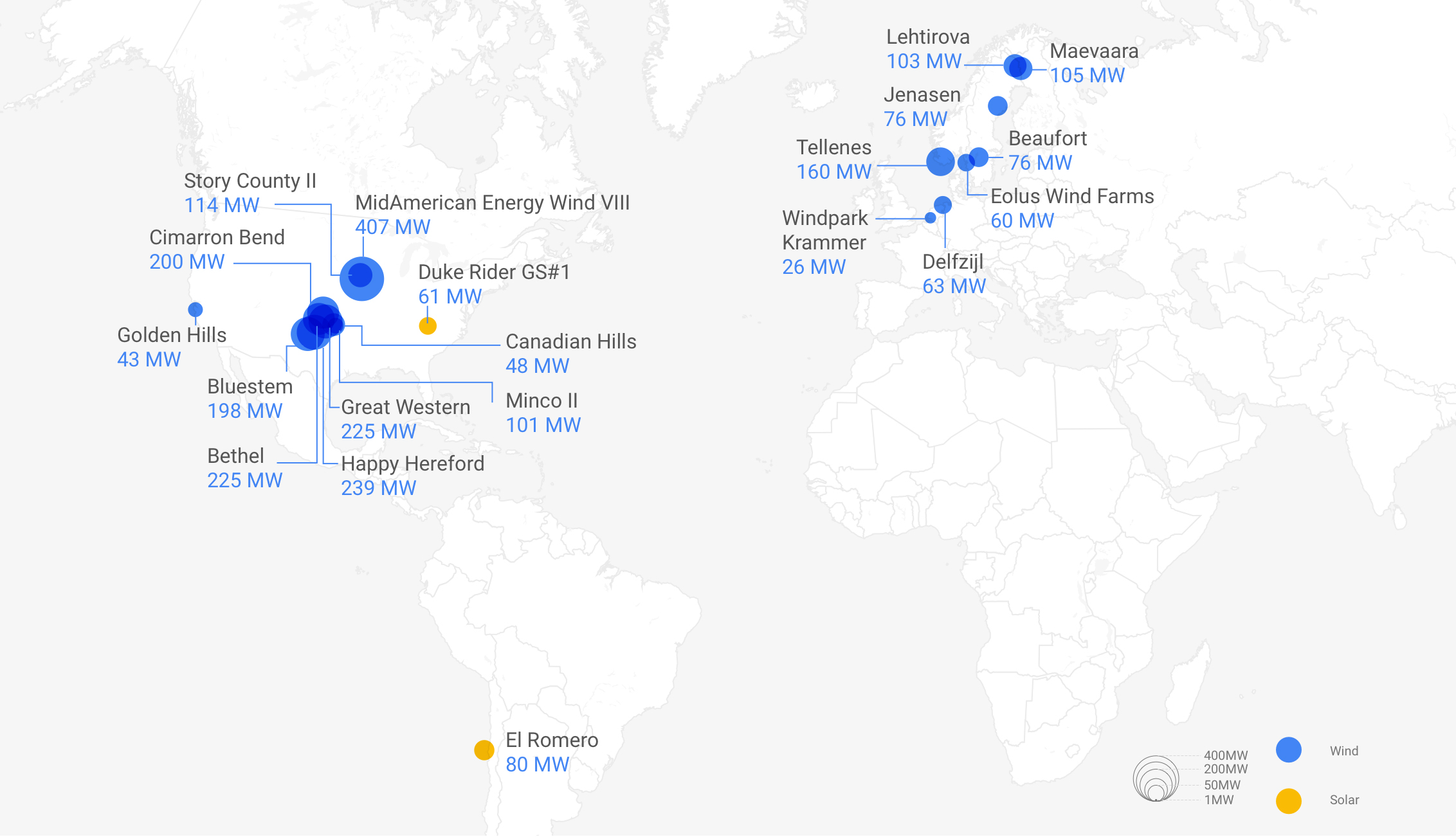
Part of using PPAs is there are now public disclosures and as Amazon, Facebook, Microsoft, Apple, and others follow they are announcing their renewable energy PPAs. Google has summarized their efforts in this nice graphic.

But don't rush to think PPAs solve all your problems for acquiring renewable energy.  With Google's experience they have found there is room for improvement as Google's Greg Demasi closes in his blog post.

We’ve had great success securing significant amounts of renewable energy at rates that are competitive with nonrenewable sources, proving that you can do great things for the planet and support the bottom line. But in many ways PPAs remain an imperfect model. And although there are more options today than there were in 2009, few utilities offer renewable energy to their customers. “A huge evolution needs to occur in the utility sector,” Demasi says, “for us to be able to buy the power we want from the source we want with the contractual flexibility and agility we need.” The industry is making good progress. But we’re still a long way from an ideal system for bringing renewable power from where the wind blows and the sun shines to where people live and work.
— https://environment.google/projects/ppa/


Michael Siteman has a new gig at Internap - Congratulations

Michael Siteman has a new gig at Internap that he announced on his LinkedIn page. When I checked in with Michael he had over 50 congratulations on LinkedIn. Below is a short description of Internap (INAP) if you aren't familiar with the history.

Founded in 1996 on the principal that there had to be a better way to send information over the Internet, INAP has become a leading technology provider of Internet infrastructure through both Colocation Business and Enterprise Services (including network connectivity, IP, bandwidth, and Managed Hosting), and Cloud Services (including enterprise-grade AgileCLOUD 2.0, Bare-Metal Servers, and SMB iWeb platforms). 

I have known Michael for so long and we regularly chat about so many things that I felt like I needed some help on writing a post. So reaching out to two friends who are active members of 7x24 Exchange President David Schirmacher and Executive Director of Carolina's chapter Robin Aron they came up with some greats works to describe Michael. Strategic, Collaborative, Effective, and Integrity. These four words resonate with my experience and I couldn't come up with better words to describe working with Michael on data center projects.


Michael has had a history of gigs at Staubach, JLL, Digital, 7x24 Exchange, and his latest gig is at Internap.

One of the cool hobbies Michael has is collecting guitars. Above are a few of Michael's favorites. Next time you see Michael you can ask about the history of these beauties.

Fluke Roadshow May 2017 - Mobile, Wireless, & Cloud applied to Facility Instrumentation

A couple of years I stopped by the Fluke Booth at a trade show in Charlotte, NC. Talking to one of the booth staff I asked him where he was from. He said he worked in HQ in Everett. Great I live in Redmond we can continue discussions in WA State. The other surprise is Fluke has not targeted data center market as a vertical and he was heading up the efforts.

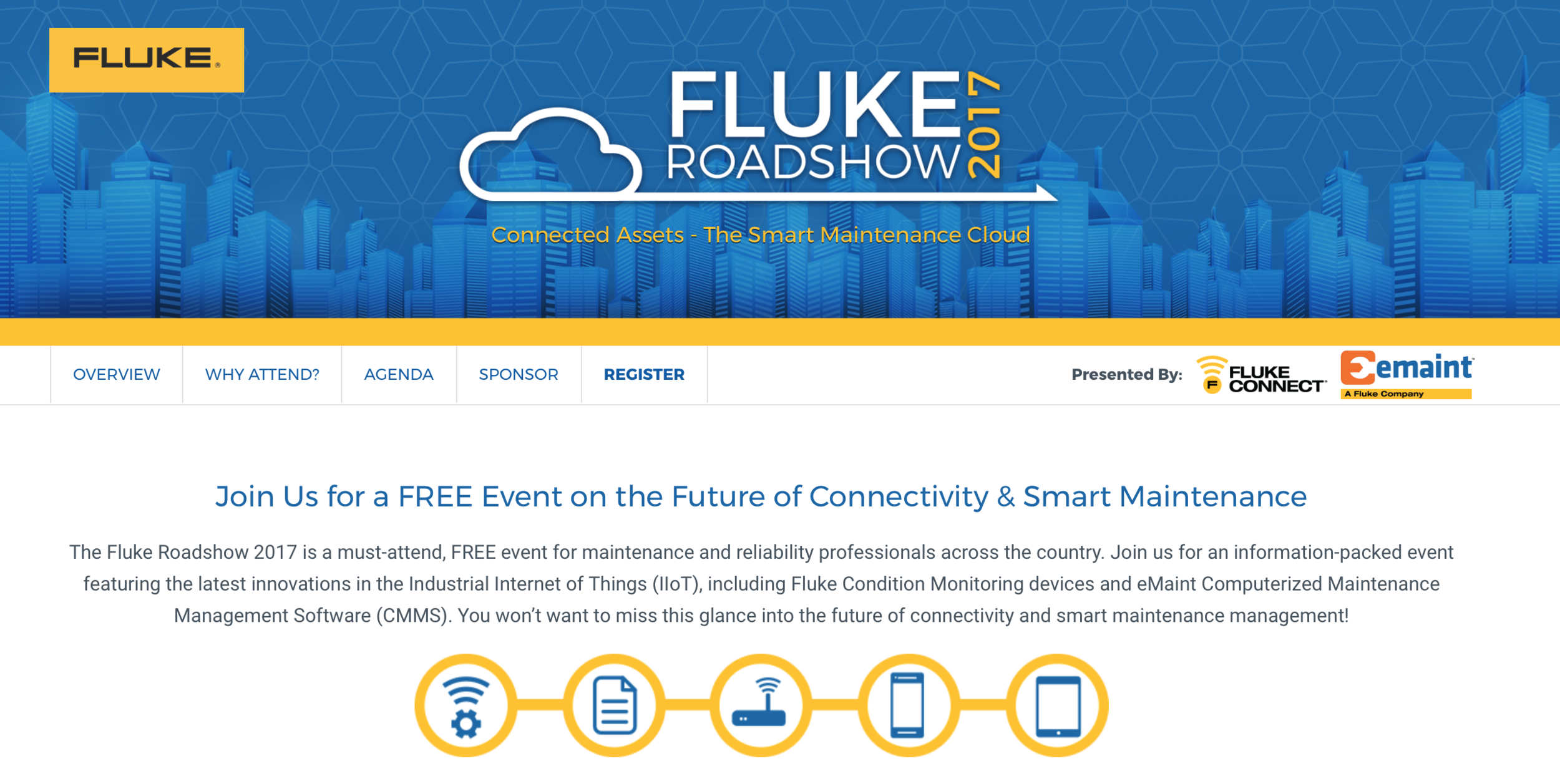
May 2017 Fluke has a roadshow where Fluke will present solutions for users who are interested in using Mobile, Cloud, and Wireless to make their tasks faster and easier.

https://www.emaint.com/fluke-roadshow/#overview

https://www.emaint.com/fluke-roadshow/#overview

I'll be at the Seattle Event on May 2 and Austin Event on May 11.